


किसी भी जीवन-कथा की तरह, संघरक्षितजी की कहानी भी कई तरीकों से और कई अलग-अलग दृष्टिकोणों से कही जा सकती है. हम उनके जीवन पर सूक्ष्म और गहन दृष्टि डालने के लिए नागबोधि की जीवनी, उनके जीवन पर आधारित फ़िल्मों के लिए "लाइट्स इन द स्काई" और उन्हें सीधे जानने के लिए संघरक्षितजी के अपने संस्मरण पढ़ने की सलाह देते हैं.
यहाँ, हमने विभिन्न माध्यमों से लिए गए अंशों के माध्यम से उनके जीवन के महत्वपूर्ण क्षणों का एक संक्षिप्त विवरण देने का प्रयास किया है. जहाँ तक संभव हो, हमने उनके लिखित और मौखिक शब्दों के साथ-साथ वीडियो क्लिप और तस्वीरों का भी उपयोग किया है - मुख्यतः त्रिरत्न पिक्चर लाइब्रेरी से.
हमें उम्मीद है कि आपको संघरक्षितजी की समृद्ध विरासत की ये झलकियाँ पसंद आएगी और आप स्रोतों के लिंक पर जाकर और अधिक जानने के लिए प्रेरित होंगे.
सूर्यनाग और प्रज्ञाकेतु द्वारा 2022 में संकलित, महामति और कल्याणप्रभा के योगदान सहित.

“मैं स्वभाव से रूढ़िवादी हूँ. मुझे हमेशा से पुरानी चीज़ें पसंद रही हैं, चाहे वे पुराने चर्च हों, पुरानी किताबें हों, या पुराने तौर-तरीके और रीति-रिवाज़ हो.
रूढ़िवादी होने से, मैं बदलाव पसंद नहीं करता, खासकर अचानक होने वाले बदलाव, यह मुझे सामाजिक और राजनीतिक रूप से क्रमिकवादी बनाता है. एक रूढ़िवादी होने के से, मैं उन चीज़ों का संग्रह करता हूँ जिन्हें पहले क्यूरियो कहा जाता था और अब संग्रहणीय वस्तुएँ कहा जाता है. बचपन में मैं सिगरेट कार्ड, डाक टिकट और पुराने सिक्के इकट्ठा करता था...”
- A Complex Personality: A Note (CW26, p. 639)
“मैंने कई बार सोचा कि बिस्तर पर बिताए दो वर्षों ने, जब मैने अपना अकेलापन कुछ किताबों और बच्चों के विश्वकोश के साथ बिताया. इसी ने मेरे चरित्र पर और उसके बाद के मेरे पूरे जीवन पर निर्णायक प्रभाव डाला होगा.
जहाँ तक मुझे पता है, तब तक मैं एक साधारण लड़का था, टूटिंग मे रहनेवाले अन्य मज़दूर वर्ग के लड़कों से अलग नहीं था. उनकी तरह मुझे भी गली में खेलना पसंद था, स्कूल जाना मुझे ज़्यादा पसंद नहीं था, झगड़ों (और लडाईयों) में पड़ जाता था, और जब मैं शनिवार की दोपहर अपने पिता के साथ मछली पकड़ने जा पाता था तो बहुत खुश होता था. जब मुझे पता चला कि मुझे हृदय रोग है, तो यह सब बंद हो गया.”
- Moving Against the Stream (CW23, pp.8-9)

“जैसे ही मैं विकलांग होने की समस्या से मुक्त हुआ और सार्वजनिक पुस्तकालयों से पुस्तकें उधार लेने में सक्षम हुआ, मैंने अपनी कुछ रुचियों को और अधिक विशिष्ट तरीके से विकसित करना शुरू कर दिया. …
मैं केवल एक या दो किताबें पढ़कर संतुष्ट नहीं होता था: मैं बहुत कुछ पढ़ना चाहता था - और इसी तरह मैंने मिल्टन, ब्लेक, डी. एच. लॉरेंस, जॉन मिडलटन मरी और प्राचीन यूनानी दार्शनिकों, विशेष रूप से प्लेटो और प्लोटिनस के बारे में काफ़ी किताबें इकट्ठी कर लीं थी.”
- Conversations with Bhante
“मैं [आइसिस अनव्हैल्ड] के मुझ पर पड़े प्रभाव का वर्णन कैसे करूँ? हालाँकि यह अपने आप में लगभग पूरी तरह से नकारात्मक था, फिर भी इसके परिणाम किसी भी ऐसी किताब से कहीं अधिक दूरगामी साबित हुए जो मैंने पहले पढ़ी थी. एक पखवाड़े के भीतर मैंने दोनों खंडों को शुरू से अंत तक दो बार पढ़ लिया था.
दर्शन, तुलनात्मक धर्म, गूढ़विद्या, रहस्यवाद, विज्ञान और सैकड़ों अन्य विषयों के हर कल्पनीय पहलू पर उनके अद्भुत अपार ज्ञान से मैं प्रभावित, चकित, रोमांचित, उत्साहित और उत्तेजित था, लेकिन जो अहसास मुझे सबसे स्पष्ट रूप से हुआ, और जो यह वाचन समाप्त होने तक मेरी चेतना के सबसे आगे स्पष्ट रूप से उभर आया, वह यह था कि मैं ईसाई नहीं था कि मैं कभी ईसाई नहीं था, और कभी नहीं बनूँगा.”
- The Rainbow Road from Tooting Broadway to Kalimpong (CW20, pp.63-4)


“सोलह साल की उम्र में बौद्ध धर्म से मेरा पहला वास्तविक संपर्क हुआ. यह संपर्क तब हुआ जब मैंने दो छोटे लेकिन असाधारण रूप से गहन बौद्ध धर्मग्रंथ पढ़े, जो ऐतिहासिक और आध्यात्मिक रुप से महत्वपूर्ण थे.
ये थे डायमंड सूत्र, जो 'प्रज्ञा-पारमिता' संग्रह की एक रचना है, और वेई लैंग सूत्र, जो चान या ज़ेन संप्रदाय के पहले चीनी धर्मगुरु हुईनेंग के प्रवचनों का एक संग्रह है. इन दोनों रचनाओं को पढ़कर मुझे यह एहसास हुआ कि, एक अर्थ में उन्होंने जो सत्य सिखाया, या जो वास्तविकता उन्होंने प्रकट की, वह मेरे लिए नई थी, लेकिन दूसरे अर्थ में यह बिल्कुल भी नई नहीं थी, बल्कि अजीब तरह से परिचित थी. मुझे निश्चित रूप से ऐसा नहीं लगा कि मैं किसी पूर्वी धर्म, या किसी ऐसे धर्म को स्वीकार कर रहा हूँ जो विदेशी और अनोखा है. बल्कि मुझे लगा कि बौद्ध धर्म के साथ का संपर्क, मेरे अपने अस्तित्व की गहराई के साथ का संपर्क था: बौद्ध धर्म को जानने से मैं स्वयं को जान रहा था, और स्वयं को जानने में मैं बौद्ध धर्म को जान रहा था.”
- The Priceless Jewel (CW16, pp.217-18)
““जन्म के समय रोने से इनकार करने के अलावा, 26 अगस्त 1925 को इस दुनिया में मेरे हालिया आगमन की सबसे अजीब बात यह थी कि यह दक्षिण-पश्चिम लंदन के एक नर्सिंग होम में हुआ था, जो उस जगह से कुछ सौ गज की दूरी पर था जहाँ दो साल पहले एलन बेनेट का निधन हुआ था, जिन्हें आनंद मैत्रेय भी कहा जाता था. वे पूर्व में जाकर पीले वस्त्र धारण करने वाले और अपनी मातृभूमि में धर्म की शिक्षा देने के लिए लौटने वाले पहले अंग्रेज थे.””
- The Rainbow Road from Tooting Broadway to Kalimpong (CW20, p.480)
“पूर्व के ज्ञान में मेरी रुचि बढ़ने के साथ, जॉन वॉटकिंस [लंदन स्थित गूढ़ किताबों की दुकान] के दौरे और वहाँ से खरीदारी की संख्या बढ़ती गई. बौद्ध धर्म के अध्ययन के साथ ताओवाद और कन्फ्यूशीवाद, हिंदू धर्म और इस्लाम, सूफीवाद और ईसाई रहस्यवाद का भी समावेश हो गया. चीनी और फ़ारसी काव्य की खोज ने साहित्य के प्रति मेरे आनंद को और समृद्ध किया, और इन दोनों ही क्षेत्रों में मैंने अनुवादों पर अपनी निर्भरता की सीमा में व्यापक रूप से पढ़ा. बौद्ध धर्म के बाद, मुझे ताओवाद ने सबसे अधिक आकर्षित किया. ताओवादी शास्त्रीय रचनाओं में, दाओ दे जिंग के प्रति मेरे मन में सबसे अधिक प्रशंसा का भाव रहा. केंद्रित आध्यात्मिक ज्ञान के इस अद्भुत सार को मैंने छह या आठ अनुवादों में पढ़ा, और प्रत्येक अनुवाद से इसके अर्थों के अक्षय भंडार की नई समझ प्राप्त की. मेरे लिए सबसे अच्छा अनुवाद चू ता-काओ का था, जिसने मुझे, इसके पिछले कवर पर एक विज्ञापन के माध्यम से, सीधे द मिडिल वे और अंततः लंदन बुद्धिस्ट सोसाइटी तक पहुँचाया.”
– The Rainbow Road from Tooting Broadway to Kalimpong (CW20, pp.86-7)

“बौद्ध धर्म मात्र एक नैतिक व्यवस्था नहीं है, बल्कि यह एक दर्शन, एक धर्म, एक विज्ञान और भी बहुत कुछ है. यह बुद्धत्व का एक मार्ग नहीं, बल्कि अनेक मार्ग हैं - हालाँकि एक गहरे और अधिक गुप्त अर्थ में सभी मार्ग (धर्म) एक ही हैं. इसलिए यह मन के सभी प्रकार और अवस्थाओं के लिए उपयुक्त है; युवा और वृद्ध, उदास और आनंदित, सरल और गहन; यह मुक्ति का वैश्विक मार्ग है.”
– The Unity of Buddhism (CW7, p.33)


"पूरे हमले के दौरान उ थित्तिला ने स्ट्रेचर वाहक का कार्य किया था. उन्होंने कई मौकों पर गिरे हुए पत्थरों के नीचे फंसे लोगों को बचाने के लिए अपनी जान जोखिम में डाली थी. यह देखकर कि उनके वस्त्रों का भारी-भरकम आवरण उनकी गतिविधियों में बाधा डाल रहा था, उन्होंने समझदारी से उन्हें बदलकर अधिक व्यावहारिक वस्त्र पहन लिए. जो लोग उन्हें जानते थे, वे कहते थे कि वे जो सिखाते थे, उसका पालन करते थे.
मुझे हमेशा खुशी होती है कि मैंने सबसे पहले उन्हीं से तीन शरण और पंचशील ग्रहण किए थे, जिनके पठन से सभा की शुरुआत हुई, उ थित्तिला ने पाली में उनका उच्चारण किया और [क्रिसमस] हम्फ्रीज़ ने उनके पीछे से कहनेवालों का नेतृत्व किया था."
– The Rainbow Road from Tooting Broadway to Kalimpong (CW20, p.102)

“चूँकि मैं हृदय वाल्व की बीमारी से पीड़ित था, और मुझे अभी भी दौड़ना या तेज़ चलना भी नहीं चाहिए था, इसलिए मैंने मान लिया था कि मैं सैन्य सेवा के लिए बिल्कुल अयोग्य हूँ. हालाँकि, मेडिकल बोर्ड में मुझे B2 श्रेणी में रखा गया था, जबकि जिस हृदय रोग विशेषज्ञ के पास मुझे भेजा गया था, उसने मेरे अनुरोध पर मुझे बताया कि मेरे हृदय में कोई समस्या नहीं है. इस प्रकार, एक बाहरी व्यक्ति, जो तेज़ दौड़ भी नहीं सकता था, रातोंरात एक अंदरूनी व्यक्ति में बदल गया, जिसे दो-तीन दर्जन अन्य लोगों के साथ अभ्यास कराया गया, रूट मार्च पर गया, और विभिन्न प्रकार के घातक हथियारों को चलाना सीखा. …
हम भाग्यशाली थे क्योंकि मोर्स कोड के अपने ज्ञान के बल पर हमें रॉयल कोर ऑफ़ सिग्नल्स की एक अर्ध-गुप्त इकाई में तैनात किया गया था, और हमें केवल सबसे बुनियादी सैन्य प्रशिक्षण से गुजरना पड़ा. …
दूसरे पुरुषों, खासकर अपनी ही उम्र के पुरुषों के साथ, करीब रहकर मुझे पहले से कहीं ज़्यादा एहसास हुआ कि मैं एक बाहरी व्यक्ति हूँ. मैं इसलिए बाहरी नहीं था क्योंकि मुझे रॉबर्ट हेरिक की कविताएँ पसंद थीं, या नीत्शे के "दस स्पोक जरथुस्त्र" से मैं रोमांचित था, या इसलिए भी नहीं कि मैं खुद को बौद्ध मानता था. मैं गहरे और अंधियारे कारणों से बाहरी व्यक्ति था. मैं बाहरी व्यक्ति इसलिए था क्योंकि मैं यौन रूप से पुरुषों की ओर आकर्षित था, महिलाओं की ओर नहीं, और मुझे यह बात चौदह साल की उम्र से ही पता थी.”
– Colin Wilson Revisited (CW26, pp.576-7)


“यूनिट के विदेश में तैनात होने की अफ़वाहें फैलने लगीं. विवाहित पुरुषों को पूरी उम्मीद थी कि ये निराधार होंगी; लेकिन एर्नी के मेरे और बाकी युवाओं के मन में एक अस्पष्ट खानाबदोश लालसा जाग उठी. हालाँकि सुरक्षा कारणों से हमारा गंतव्य नहीं बताया गया था, फिर भी अफ़वाहों की पहले मौन पुष्टि हुई, फिर स्पष्ट रूप से पुष्टि हुई, जब तक कि पूरा शिविर बेचैन और उत्तेजित नहीं हो गया. तब हमारे आगामी प्रस्थान के अलावा कोई चर्चा ही नहीं थी. टॉम, एक अधिकारी के साथ गोपनीय संबंध रखता था, उस ने एर्नी और मुझे बताया कि हमारा गंतव्य निश्चित रूप से भारत है. लेकिन हमारे चारों ओर अटकलों का ऐसा शोर था, कुछ लोग कह रहे थे कि यह जिब्राल्टर होगा, कुछ सिंगापुर, और कुछ तो अमेरिका भी, इसलिए निश्चित होना मुश्किल हो गया था. इसके अलावा, मैं भारत जा रहा हूँ, वह भूमि जहाँ बुद्ध ने निवास किया और शिक्षा दी, यह सच होने से बहुत दूर लग रहा था. पहली बार, हालाँकि जीवन में आखिरी बार नहीं, मुझे किसी रहस्यमय नियति का अस्पष्ट आभास हुआ जो मेरे लक्ष्यों को आकार दे रही है.
मैंने सोचा था कि सेना मुझे बौद्ध धर्म से अलग कर देगी. क्या होगा अगर यह अब सच साबित हो जाए? क्या मुझे बौद्ध धर्म के इतने करीब लाने के लिए कोई साधन नियुक्त किया गया है, जो मैंने सपने में भी नहीं सोचा था?”
– The Rainbow Road from Tooting Broadway to Kalimpong (CW20, p.105)

“रात में, जब कमरे के अन्य लोग सो रहे होते थे, तब मैं मच्छरदानी के अंदर पालथी मारकर बैठता था और पुस्तक में दिए गए निर्देशों के अनुसार अभ्यास करता था. [शंकराचार्य की अपरोक्षानुभूति] 'मैं शरीर नहीं हूँ, मैं मन नहीं हूँ,' मैं चिंतन करता, 'मैं अद्वैत सत्य, ब्रह्म हूँ; मैं परम अस्तित्व-ज्ञान-सूख हूँ.'
जैसे-जैसे मैं अभ्यास करता गया, देह-चेतना लुप्त होती गई और मेरा पूरा अस्तित्व एक महान शांतिपूर्ण सूख से भर गया. एक रात मेरे सामने एक वृद्ध व्यक्ति का सिर प्रकट हुआ, मानो हवा में लटका हुआ हो. उसके सिर और ठोड़ी पर भूरे रंग की दाढ़ी थी और उसका पीला चेहरा गहरी रेखाओं और झुर्रियों से भरा था मानो जीवन भर के पापों और बुराइयों ने उस पर प्रहार किया हो. 'तुम अपना समय बर्बाद कर रहे हो,' उसने एक भयानक व्यंग्यात्मक लहजे में कहा. 'ब्रह्मांड में पदार्थ के अलावा कुछ भी नहीं है. पदार्थ के अलावा कुछ भी नहीं.'
'पदार्थ से भी ऊँचा कुछ है,' मैंने तुरंत उत्तर दिया, 'मैं इसे जानता हूँ, क्योंकि मैं इसे अभी अनुभव कर रहा हूँ.'
इसके बाद वह प्रकट चेहरा अदृश्य हो गया. वर्षों बाद, नेपाल की अपनी दूसरी यात्रा के दौरान, मैंने उसी मार को देखा, जैसा कि वह रहा होगा. मैंने उसे तुरंत पहचान लिया, और निस्संदेह उसने मुझे पहचान लिया.”
– The Rainbow Road from Tooting Broadway to Kalimpong (CW20, pp.113-14)
“वर्षों बाद, जब रामकृष्ण-विवेकानंद साहित्य के प्रति मेरा उत्साह कम हो गया, तो मुझे आश्चर्य हुआ कि उन्होंने मुझे इतनी प्रबलता से क्यों आकर्षित किया था.
शायद इसलिए कि उन्होंने यह दिखाया कि आध्यात्मिक जीवन, जो केवल सुदूर अतीत में ही संभव नहीं था, आधुनिक समय में भी जिया जा सकता है, और वास्तव में जिया भी गया है - शायद इसलिए कि उन्होंने अप्रत्यक्ष रूप से मुझे न केवल अध्ययन करने के लिए, बल्कि उस शिक्षा का वास्तव में अभ्यास करने के लिए भी प्रोत्साहित किया, जिसके प्रति मैं पहले से ही प्रतिबद्ध था, अर्थात् बुद्ध की शिक्षा.”
– The Rainbow Road from Tooting Broadway to Kalimpong (CW20, p.117)

“उस दौरान, जिस सिग्नल यूनिट से मैं जुड़ा था, उसे विदेश भेज दिया गया था, मैं दिल्ली, कोलंबो, कलकत्ता और सिंगापुर में तैनात रहा, चीनी और सिंहली बौद्धों से संपर्क स्थापित किया, भारत लौट आया ( अच्छे के लिए, जैसा कि मैंने तब सोच रखा था ), विभिन्न धार्मिक संगठनों और समूहों, बौद्ध और हिंदू दोनों, से जुड़ा रहा और नियमित रूप से ध्यान का अभ्यास करने लगा.…
“भारत लौटने पर मैंने रॉबिन बनर्जी नामक बंगाली मित्र के सहयोग से कार्य करना शुरु किया था. उस के साथ मिलकर मैंने रामकृष्ण मिशन इंस्टीट्यूट ऑफ कल्चर और महाबोधि सोसाइटी के लिए काम किया था. हाल ही में, मैं भारत में बौद्ध धर्म के प्रचार-प्रसार के लिए एक संगठन, धर्म विजय वाहिनी के पुनरुद्धार की एक परियोजना में शामिल हुआ था….
इन सभी संगठनों के साथ-साथ एक प्रसिद्ध महिला तपस्वी [आनंदनमयी] के इर्द-गिर्द बने समूह से, मैं और मेरा मित्र बहुत निराश हुए थे. ऐसा प्रतीत होता है कि ऐसे संगठनों के साथ काम करना आध्यात्मिक विकास में सहायक होने के बजाय, बाधा उत्पन्न करता है.”
– The History of My Going for Refuge (CW2, pp.412-13)


“पिछले कुछ महीनों से हम आध्यात्मिक जीवन के विशाल सागर के किनारे बस झिझकते बैठे थे. अब, सारा भय त्यागकर, हम साहसपूर्वक उसमें उतरेंगे.
यह संकल्प लेने के बाद, हमने इसे अमल में लाने में ज़रा भी देर नहीं लगाई. मुट्ठी भर गेरुआ-माटी, जो भारतीय तपस्वियों द्वारा अनादि काल से इस्तेमाल की जाने वाली लाल-भूरी मिट्टी है, उसकी मदद से हमने अपनी कमीज़ों और सारंगों को विश्व-त्यागी के पारंपरिक केसरिया रंग में रंगा दिया. सूटकेस और घड़ियाँ बेच दी, पतलून, जैकेट और जूते दे दिए, पहचान पत्र नष्ट कर दिए. पहनने वाले वस्त्रों के अलावा, हमने केवल एक-एक कंबल और अपनी किताबें और नोटबुक अपने पास रखीं. ...
तिब्बती बौद्ध मानते हैं कि इंद्रधनुष का दिखना सबसे शुभ संकेतों में से एक है, और उनके संतों और योगियों की जीवनियाँ इस घटना के संदर्भों से भरी पड़ी हैं. 18 अगस्त 1947 को हमारा 'प्रस्थान' एक शुभ घटना मानी जाएगी या नहीं, यह मैं नहीं कह सकता, लेकिन यह निश्चित रूप से... एक नहीं, बल्कि कई इंद्रधनुषों के दिखने से इसका संकेत मिलता है.”
– The Rainbow Road from Tooting Broadway to Kalimpong (CW20, pp.225-6)


“इस प्रकार इंद्रधनुष मेरे लिए आध्यात्मिक पथ का प्रतीक बन गया, जिस पर मैंने जीवन भर किसी न किसी रूप में चलना जारी रखा है.”
– Rainbows in the Sky (CW26, p.672)


“एक रात मैंने खुद को मानो शरीर से बाहर और अनंत प्रकाश के बुद्ध, अमिताभ के सान्निध्य में पाया, जो ब्रह्मांड के पश्चिमी भाग के अधिष्ठाता हैं. बुद्ध का रंग गहरा, चमकदार लाल था, माणिक्य के समान, हालाँकि साथ ही वह ढलते सूरज की रोशनी की तरह कोमल और चमकीला भी था. उनका बायाँ हाथ उनकी गोद में रखा था, उनके दाहिने हाथ की उँगलियों ने एक पूरी तरह खिले हुए लाल कमल को डंडे से थाम रखा था और वे हमेशा की तरह पालथी मारकर बैठे थे, समुद्र की सतह पर तैरते एक विशाल लाल कमल पर. बाईं ओर, बुद्ध की उठी हुई दाहिनी भुजा के ठीक नीचे, डूबते सूरज का लाल गोलार्द्ध था, जिसका प्रतिबिंब पानी पर सुनहरे रंग में चमक रहा था.
यह अनुभव कितने समय तक चला, मुझे नहीं पता, क्योंकि मैं समय से भी बाहर और शरीर से भी बाहर लग रहा था, लेकिन मैंने बुद्ध को उतनी ही स्पष्टता से देखा जितना मैंने अपने जीवन की सामान्य परिस्थितियों में कभी किसी चीज़ को देखा था, बल्कि कहीं ज़्यादा स्पष्टता और जीवंत रुप से. स्वयं अमिताभ का गहरा लाल रंग, साथ ही दो कमलों का, और डूबते सूरज का, मुझ पर विशेष रूप से गहरा प्रभाव पड़ा. यह किसी भी सांसारिक लाल रंग से कहीं अधिक अद्भुत, अधिक आकर्षक था: यह लाल प्रकाश जैसा था, लेकिन इतना कोमल और साथ ही इतना चमकीला, कि जिसका कोई मुकाबला ही नहीं था.”
– The Rainbow Road from Tooting Broadway to Kalimpong (CW20, p.345)

“सहानुभूतिपूर्ण मौन में सुनने के बाद, भिक्षु कश्यप ने कुछ देर तक गहन चिंतन किया.
फिर, अपने विशाल शरीर की गहराई से शब्दों को एक विशेष ज़ोर देते हुए, धीमे स्वर में, और स्पष्ट गर्मजोशी और ईमानदारी के साथ बोलते हुए, उन्होंने हमें कुशीनगर जाने की सलाह दी, वह स्थान जहाँ बुद्ध ने परिनिर्वाण प्राप्त किया था. वहाँ हमें भारत के सबसे वरिष्ठ थेरवादी बौद्ध भिक्षु, उ चंद्रमणि महाथेरा मिलेंगे. उनके कई शिष्य थे. वास्तव में, वे अपनी उदारता के लिए प्रसिद्ध थे जिसके साथ वे दीक्षाएँ देते थे. अगर हम उन्हें अपनी ईमानदारी का विश्वास दिला पाते, तो कोई कारण नहीं था कि वे हमें दीक्षा न दें.”
– The Rainbow Road from Tooting Broadway to Kalimpong (CW20, p.395)

“जबकि उ चंद्रमणि इस बात को लेकर बहुत चिंतित थे कि मैं शरण-गच्छामि के शब्दों का उच्चारण पाली और संस्कृत, दोनों में पूर्णतः सही ढंग से करूँ, और इसके लिए उन्होंने बहुत प्रयास भी किया, लेकिन उन शब्दों के अर्थ या शरण जाने की क्रिया के महत्व के बारे में उनके पास कहने को कुछ भी नहीं था, इसलिए कम से कम एक बात तो यह थी कि श्रमणेर दीक्षा के बाद मैं उ थित्तिला से पंसिल लेने के बाद जितना समझा था उससे ज्यादा नही समझा.
[हालाँकि,] मैं प्रसन्न, रोमांचित, उत्साहित और प्रेरित महसूस कर रहा था, साथ ही उ चंद्रमणि और उनके अनुयायियों के छोटे से समूह द्वारा मुझे दी गई सभी दयालुता के लिए अत्यंत आभारी भी था. मेरे पंसिल लेने और मेरे गृहत्याग की तरह, मेरी श्रमणेर दीक्षा भी केवल एक प्रक्रिया का हिस्सा नहीं था, बल्कि अपने आप में मूल्यवान और महत्वपूर्ण था.”
– The History of My Going for Refuge (CW2, p.419)
“पहले एक घंटे तक तो रास्ता बडा सुहाना लगा. लेकिन जैसे-जैसे सूरज चढ़ा, हमें गर्मी और थकान का एहसास होने लगा. उस सुबह हमारी गठरियाँ, जो देखने में बहुत छोटी और हल्की लग रही थीं, सीसे की तरह भारी लगने लगीं, और ज़िंदगी में पहली बार मैंने चाहा कि काश मेरे पास कम किताबें होतीं. जब मेरी बाँह में दर्द होने लगा, तो मैंने गठरी कंधे पर डाल ली, और जब भारी बाँस मेरी कॉलरबोन को रगड़ने लगा, तो मैंने उस भारी गठरी को कभी अपने दाहिने हाथ में, कभी अपने बाएँ हाथ में डाल लिया. जैसे-जैसे मैं हर बार करवट बदलता, मेरी बाँह में दर्द होने लगता, और मेरी कॉलरबोन पहले से ज़्यादा तेज़ी से दर्द करने लगती, मैं जल्द ही हर कुछ मिनट में गठरी को इधर-उधर करने लगा. इस बीच, मेरे पैरों में छाले पड़ गए थे और मैं लंगड़ाने लगा था. सत्यप्रिय, हालाँकि मुझसे ज़्यादा मज़बूत और हट्टा-कट्टा था, उसे भी तनाव महसूस हो रहा था. इसी दयनीय हालत में हम अपने पहले गाँव में दाखिल हुए.
हमारा इरादा थोड़ा आराम करने का था, लेकिन जैसे ही हम थके हुए, साधारण झोपड़ियों की एक कतार से गुज़रे, वहाँ के निवासी, जिन्हें हम उनके पहनावे से पहचान गए थे कि वे मुसलमान हैं, चिल्लाने लगे और हमारा मज़ाक उड़ाने लगे. इतनी बदतमीज़ी देखकर हम रुके ही नहीं.”
– The Rainbow Road from Tooting Broadway to Kalimpong (CW20, p.243-4)
.webp)
“अगली सुबह हमारा मुख्य काम एक ऐसी जगह ढूँढ़ना था जहाँ हम अपने भिक्षापात्रों का उपयोग कर सकें और भिक्षा माँग सकें. अब चूँकि हम श्रमणेर थे, इसलिए हमने यह काम पूरी तरह से पारंपरिक तरीके से करने का निश्चय किया. हम घर-घर जाकर तब तक भिक्षा माँगते जब तक हमें दिन के एक समय के लिए पर्याप्त पका हुआ भोजन न मिल जाए, एक भी घर नहीं छोड़ते. हम लोगों के निमंत्रण स्वीकार नहीं करते थे, और न ही किसी घर के अंदर बैठकर इकट्ठा किया हुआ खाना खाते थे.
सुबह 5.30 बजे से रात 10.30 बजे तक चलने के बाद, रास्ते में बस थोड़ा सा चटुआ खाकर, हमें भूख लग रही थी. लेकिन पहली बस्ती में, जहाँ हम पहुँचे, वहाँ का माहौल इतना ज़्यादा व्यावसायिक था कि हमारी हिम्मत जवाब दे गई और थके होने के कारण हमने वहाँ न रुकने का फैसला किया. सौभाग्य से, आगे एक मील ही एक गाँव था. बारस्पर नामक गाँव पहुँचने से पहले, हम एक कुएँ पर रुके और वहाँ पानी भर रही एक महिला से हमारे लोटे या पीतल के बर्तनों में थोड़ा पानी डालने को कहा. उसने आदरपूर्वक मना कर दिया. उसने बताया कि वह चमार या चमड़े का काम करने वाली जाति की थी, और हमारे जैसे उच्च जाति के साधुओं के लिए उसके द्वारा छुई गई किसी भी चीज़ का स्पर्श अपवित्रता का संकेत होता है. बुद्धरक्षित और मुझे अपने कानों पर यकीन ही नहीं हो रहा था. कुएँ पर खड़ी महिला ठीक वही बात कह रही थी जो मातंगी महिला ने 2,500 साल पहले बुद्ध के चचेरे भाई और निजी सेवक आनंद से कही थी, और वह भी बिल्कुल उन्हीं परिस्थितियों में. इतिहास खुद को दोहरा रहा था. आनंद की तरह ही जवाब देते हुए, हमने उस महिला से कहा कि हमें पानी चाहिए, जाति नहीं. इस पर उसने खुशी-खुशी हमारे लोटे भर दिए. ऐसा लग रहा था कि बुद्ध के समय से भारत में ज़्यादा बदलाव नहीं आया है.”
– The Rainbow Road from Tooting Broadway to Kalimpong (CW20, pp.114-15)

“एक हफ़्ते से भी कम समय में मुझे अपने नए परिवेश में बिल्कुल घर जैसा महसूस होने लगा था, और मैंने एक ऐसा अध्ययन शुरू कर दिया था जो मुझे लगभग बिना किसी रुकावट के, मेरे अब तक के सबसे शांत और सुखद सात महीनों तक व्यस्त रखने वाला था।[...]
हमारा दिन भोर में शुरू हुआ. चाय और टोस्ट (जो घी से लथपथ और चीनी से सना हुआ था) का नाश्ता करने के बाद, मैंने भिक्षु कश्यप के साथ पालि, अभिधम्म और तर्कशास्त्र पढ़ा, फिर अपने कमरे में लौटकर उनके द्वारा बताए गए अभ्यास किए. इससे मैं दोपहर तक व्यस्त रहा, बाद में हमने हमेशा की तरह चावल और सब्जी वाला दोपहर का भोजन किया. भिक्षु कश्यप, 'रोज़ सेब खाओ से डॉक्टर को भगाओ' वाली भारतीय कहावत को ध्यान में रखते हुए, हमेशा कच्चे लहसुन की दो कलियाँ चबाकर भोजन का समापन करते थे. दोपहर में, थोड़ी देर आराम करने के बाद, मैं या तो अकेले पढ़ता था, ज़रूरत पड़ने पर कभी-कभार अपने गुरु से सलाह लेता था, या फिर साहित्यिक कार्यों में लग जाता था. ...
जब मैं उनके कमरे में प्रवेश करता ( बाहरी द्वार हमेशा खुला रहता था) तो आमतौर पर उन्हें अपने तंतुमय बिस्तर पर किसी फंसे हुए व्हेल की तरह गहरी नींद में पसरे हुए पाता... मेरे खांसने या 'भंते!' बुदबुदाने पर उनकी एक पलक फड़कती, और मैं अपना प्रश्न पूछता, जो आमतौर पर पाली व्याकरण, या अभिधम्म, या तर्कशास्त्र के किसी पेचीदा बिंदु पर होता था, जिसे मैं स्वयं हल नहीं कर पाता था. बिना आँखें खोले, बिना हिले-डुले, कश्यप-जी उलझन को सुलझाने लगते, अपने विशाल शरीर की गहराइयों से शब्दों को ऊपर उठाते और उन्हें अपनी जीभ पर घुमाते, फिर उन्हें धीमे, सोचे-समझे उच्चारण में छोड़ते. कभी-कभी वे बस कुछ मिनटों के लिए बड़बड़ाते, कभी आधे घंटे के लिए. वे जो भी कहते, स्पष्ट, सटीक और मुद्दे को सही पकडने वाला होता था. अगर मैं किसी पाठ के किसी खास अंश के बारे में पूछता, तो उन्हें हमेशा पता होता कि वह कहाँ से आया है, पहले क्या आया था और उसके बाद क्या आया. फिर भी, हर बार उन्होंने जागने की ज़हमत नहीं उठाई. जैसे ही मैं अपने कमरे में लौटता, मुझे पीछे से एक आह और खर्राटों की आवाज़ सुनाई देती और इससे पहले कि मैं अपनी मेज़ पर बैठ पाता, कश्यप जी फिर से गहरी नींद में सो जाते.”
– The Rainbow Road from Tooting Broadway to Kalimpong (CW20, pp.444 & 446-7)
मेरे ऊपर मंडरा रहा…..(1948)
मेरे ऊपर मंडरा रही है
दुनियाँ, रहस्यों और प्रभाव की
मैं देखता हूँ, सुनता हूँ,
जो न सून सकें आँख और कान भी.
मेरे भीतर सोती
शक्तियाँ - गहरी, अथाह गहरी,
जो जागने पर,
तोड़ देंगी बंधन जीवन, मृत्यु, समय और स्थान के.
मेरे ऊपर नीले आकाश की तरह
मैं देखता हूँ अनंत
नीचे, मेरे भीतर,
प्रतिबिंब अनंत का.
– Complete Poems (CW25, p.175)
“यह संघरक्षित प्रथम और संघरक्षित द्वितीय के बीच का संघर्ष था. संघरक्षित प्रथम प्रकृति की सुंदरता का आनंद लेना चाहते थे, कविताएँ पढ़ना और लिखना चाहते थे, संगीत सुनना चाहते थे, चित्रों और मूर्तियों को देखना चाहते थे, भावनाओं का अनुभव करना चाहते थे, बिस्तर पर लेटकर सपने देखना चाहते थे, जगहें देखना चाहते थे, लोगों से मिलना चाहते थे. संघरक्षित द्वितीय सत्य का साक्षात्कार करना चाहते थे, दर्शन पढ़ना और लिखना चाहते थे, शीलों का पालन करना चाहते थे, सुबह जल्दी उठकर ध्यान करना चाहते थे, देह का दमन करना चाहते थे, उपवास और पूजा करना चाहते थे.
इन दोंनों को विवाह करके संघरक्षित तृतीय को जन्म देना चाहिए था, जो सौंदर्य और सत्य, कविता और दर्शन, सहजता और अनुशासन का एक साथ संगम करते; लेकिन यह एक ऐसा सपना ही लग रहा था जिसका पूरा होना असंभव था. पिछले ढाई वर्षों से संघरक्षित द्वितीय लगभग निर्विरोध शासन कर रहे थे. ...
संघरक्षित प्रथम, जो पहले से कहीं ज़्यादा कविताएँ पढ़ रहे थे और जिन्होंने एक लंबी कविता लिखी थी, जो बौद्ध विषयवस्तु पर होने के बावजूद भी कविता ही थी. उस के अतिक्रमणों से क्रोधित होकर, संघरक्षित द्वितीय ने अचानक वह दो नोटबुक जला दिये जिनमें उनके प्रतिद्वंद्वी ने अपनी रचित सभी कविताएँ लिखी थीं...
इस आपदा के बाद, जिसने उन दोनों को झकझोर दिया, उन्होंने एक-दूसरे के प्रभाव क्षेत्रों का सम्मान करना सीखा. कभी-कभी वे सहयोग भी करते थे, जैसे नेपाल में शुरू किए गए पाँच परित्राण सूत्रों के रिक्त पद्य गायन को पूरा करने में. ऐसे दुर्लभ क्षण भी आए जब ऐसा लगा कि, अपने झगड़ों के बावजूद, वे एक दिन विवाह कर लेंगे.”
– The Rainbow Road from Tooting Broadway to Kalimpong (CW20, pp.451-2)
“सीड्स ऑफ़ कंटेम्पलेशन [थॉमस मर्टन द्वारा] में मुझे वह मिल गया जो मैं चाहता था, या कम से कम उसका एक स्पष्ट संकेत मुझे मिला. शिष्य को अपनी इच्छा पूरी तरह से अपने आध्यात्मिक श्रेष्ठ की इच्छा के अधीन कर देनी चाहिए. छोटे-मोटे मामलों में भी, जैसे बड़े मामलों में, उसकी अपनी कोई इच्छा नहीं होनी चाहिए, यहाँ तक कि कोई व्यक्तिगत इच्छा या प्राथमिकता भी नहीं. यही रहस्य था. अहंकार को वश में करने का यही तरीका था, भले ही उसे पूरी तरह से नष्ट न किया जा सके.
हालाँकि यह विचार मेरे लिए बिल्कुल नया नहीं था, लेकिन इससे पहले इसने मुझ पर इतना गहरा असर कभी नहीं डाला था, और मैंने कश्यप-जी के साथ अपने संबंधों में इसे तुरंत लागू करने का संकल्प लिया. भविष्य में उनकी इच्छा ही मेरा नियम होगी. मेरी अपनी कोई इच्छा नहीं होगी. जब भी वे मुझसे पूछते कि क्या मैं कुछ करना चाहूँगा, वे अक्सर बडी सहृदयता से ऐसा सवाल पूछते थे, मैं जवाब देता कि मुझे इस मामले में कोई प्राथमिकता नहीं है, और हम उनकी इच्छा के अनुसार ही करेंगे.
जब तक हम साथ रहे, मैंने इस संकल्प का पूरी निष्ठा से पालन किया. परिणामस्वरूप, मुझे कोई परेशानी नहीं हुई, और मुझे बहुत मानसिक शांति मिली.”
– The Rainbow Road from Tooting Broadway to Kalimpong (CW20, pp.463-4)

“हफ़्तों के अनिर्णय के बाद, कश्यप जी ने आखिरकार बनारस हिंदू विश्वविद्यालय नही लौटने का मन बना लिया था. इसके बजाय, वे बिहार के जंगलों में जहाँ उनके परिचित एक योगी का आश्रम था, कुछ समय सोचने के बाद शायद उन्हें यह स्पष्ट हो जाएगा कि उन्हें आगे क्या करना है. इस बीच, मुझे कलिम्पोंग में ही रहना था. सिलीगुड़ी ले जा रही जीप की अगली सीट पर बैठते हुए उन्होंने मुझसे कहा, ‘यहीं रहो और बौद्ध धर्म की भलाई के लिए काम करो. नेवार तुम्हारी देखभाल करेंगे.’
मैं ज़्यादा कुछ नहीं कह सका. हालाँकि मुझे बौद्ध धर्म के लिए अकेले काम करने का अनुभव नहीं था, और हालाँकि मुझे संदेह था कि नेवार मेरी देखभाल करने के लिए उतने तैयार होंगे जितना कश्यप जी मान रहे थे, गुरु के वचन की अवहेलना नहीं की जानी थी. मैंने सहमति में सिर झुकाकर पारंपरिक तरीके से प्रणाम किया, कश्यप जी ने मुझे आशीर्वाद दिया, और जीप चल पड़ी.
मैं कंचनजंगा पर्वत की ओर मुँह करके खड़ा रह गया”
– The Rainbow Road from Tooting Broadway to Kalimpong (CW20, pp.470-1)

“यहीं रहो और बौद्ध धर्म की भलाई के लिए काम करो…’
जैसे ही कश्यपजी को सिलीगुड़ी ले जा रही जीप एक मोड़ पर गायब हो गई, मैं सड़क के किनारे खड़ा रह गया और मेरे गुरु के अंतिम शब्द मेरे कानों में गूंज रहे थे. मैं चौबीस साल का था.
सात महीने पहले कश्यपजी का शिष्य बनने के बाद से मैं उनसे कुछ दिनों से ज़्यादा अलग नहीं हुआ था, और अब, कलिम्पोंग पहुँचने के बमुश्किल तीन हफ़्ते बाद, उन्होंने अचानक मुझे वहीं छोड़ने का फ़ैसला कर लिया था. मार्च का एक चमकदार धूप वाला दिन था. मेरे ऊपर आसमान का अथाह नीलापन था. मेरे चारों ओर पूर्वी हिमालय की तलहटियाँ थीं, चारों दिशाओं से एक साथ फैली हुई विशाल नुकीली चोटियाँ. मेरे सामने, बहुत दूर उत्तर में, एक विशाल काठी के ठीक बीच में, कंचनजंगा पर्वत की चमकदार सफ़ेद चोटियाँ थीं.
अपने जीवन में पहली बार मैं अकेला था.”
– Facing Mount Kanchenjunga (CW21, p.7)

“…काश्यपजी के जाने के बाद के हफ़्तों में, मैं बौद्ध धर्म की भलाई के लिए काम करने के विचार का आदी हो गया – यहाँ तक कि इसे स्वीकार भी करने लगा.
‘मेरे पीछे पुराना/द्वार बंद हो रहा है,’ हाइकु ने घोषणा की. ‘मेरे सामने/स्वर्ण का एक नया द्वार खुल रहा है.’ पिछले तीन सालों से, शायद उससे भी ज़्यादा समय से, मैं अपने आध्यात्मिक जीवन की ज़रूरतों को लेकर चिंतित था. यही वह पुराना द्वार था जो मेरे पीछे बंद हो रहा था. अब समय आ गया था कि मैं दूसरों की ज़रूरतों पर ध्यान देना शुरू करूँ. यही वह नया द्वार था जो मेरे सामने खुल रहा था – नया स्वर्णद्वार.
लेकिन उस द्वार से गुज़रने से पहले मुझे क्या करना होगा? क्या कोई मेरे साथ उसमें से गुज़रने को तैयार होगा? मुझे उस पार क्या मिलेगा?”
– Facing Mount Kanchenjunga (CW21, pp.23-4)

“किसी प्रकार का ढीला-ढाला संगठनात्मक ढाँचा स्पष्ट रूप से आवश्यक था... स्वाले, धम्मजोति और मेरे बीच हुई चर्चाओं से, कलिम्पोंग में एक यंग मेन्स बुद्धिस्ट एसोसिएशन शुरू करने का विचार अंततः जन्मा और एक सुंदर इंद्रधनुषी गेंद की तरह हमारे सिर के ऊपर मँडराता रहा...
मैं उस सुंदर इंद्रधनुषी गेंद को धरती पर उतारूँगा. मैं उसे एक ऐसे संगठन में मूर्त रूप दूँगा जिसके माध्यम से मैं बौद्ध धर्म की भलाई के लिए काम करूँगा - दूसरों के लाभ के लिए - न केवल कलिम्पोंग में, बल्कि पूरे ज़िले में, शायद उससे भी आगे.इसलिए, मई की शुरुआत में, धर्मोदय विहार में एक बैठक बुलाई गई, इंद्रधनुषी गेंद को नीचे आने के लिए आमंत्रित किया गया, और यंग मेन्स बुद्धिस्ट एसोसिएशन, कलिम्पोंग, अस्तित्व में आया.
– Facing Mount Kanchenjunga (CW21, pp.35-6)
“[स्टेपिंग-स्टोन्स] हिमालयीन धर्म, संस्कृति और शिक्षा की एक मासिक पत्रिका होगी. यह कोई साधारण विद्वत्तापूर्ण प्रकाशन नहीं, बल्कि जीवंत बौद्ध धर्म की एक पत्रिका होगी.
यह महायान की सर्वव्यापी भावना से ओतप्रोत होगी और इसमें तिब्बत, सिक्किम, भूटान और नेपाल की बौद्ध परंपराओं पर लेख शामिल होंगे. इसमें कविताएँ और लघु कथाएँ, महान महायान सूत्रों के अंश और वाईएमबीए की गतिविधियों की खबरें होंगी. हम इसे न केवल पूरे जिले में, बल्कि पूरे भारत और पूरी दुनिया में भेजेंगे.
इस प्रकार, वाईएमबीए के विचार के अनुरूप, उस सुंदर इंद्रधनुषी गेंद के ऊपर एक दूसरी गेंद मंडरा रही थी, जो कुछ मायनों में पहली से भी अधिक सुंदर और इंद्रधनुषी थी - एक ऐसी गेंद जो और भी अधिक चमकदार चमक बिखेरती और दूर से भी दिखाई देती.”
– Facing Mount Kanchenjunga (CW21, pp.48-9)
“लामा गोविंदा के लिए, बौद्ध धर्म को किसी विशिष्ट वैचारिक अभिव्यक्ति से नहीं जोड़ा जाना चाहिए था. बौद्ध धर्म आध्यात्मिक अनुभव का विषय था, और आध्यात्मिक अनुभव एक ऐसी चीज़ होती है जिसे शब्दों में बहुत सीमित सीमा तक ही व्यक्त किया जा सकता ...
आध्यात्मिक जीवन और विचार के पुराने रूपों से चिपके रहना विनाशकारी है. आध्यात्मिक चीज़ों को 'स्थिर' नहीं किया जा सकता ...
यह समझ लेने के बाद कि आध्यात्मिक जीवन एक जैविक विकास की प्रक्रिया है, हम बौद्ध इतिहास के विभिन्न चरणों को 'सही' या 'गलत' के रूप में आंकना बंद कर देंगे. हम बौद्ध धर्म के सभी सम्प्रदायों के प्रति सच्ची सहिष्णुता विकसित करेंगे, भले ही हम एक सम्प्रदाय की तुलना में दूसरे सम्प्रदाय के प्रति अधिक आकर्षित हों. जिस प्रकार वृक्ष का वास्तविक स्वरूप उसके सभी भागों के जैविक विकास और संबंध में निहित है, उसी प्रकार बौद्ध धर्म का मूल स्वरूप केवल समय और स्थान के विकास में ही पाया जा सकता है जिसमें उसके सभी विभिन्न सम्प्रदाय शामिल हों.”
– Facing Mount Kanchenjunga (CW21, pp.244-5)


“मुझे पता था कि उनका जन्म पूर्वी तिब्बत के धारत्सेंडो में हुआ था; उनके पिता एक व्यापारी थे; उन्होंने कम उम्र में ही ल्हासा के निकट महान गेलुग भिक्षु विश्वविद्यालय, द्रेपुंग गोम्पा में प्रवेश लिया था; उन्होंने अपनी सभी परीक्षाएँ बड़े सम्मान के साथ उत्तीर्ण की थीं; उनके गुरु कठोर किन्तु दयालु थे; स्वास्थ्य खराब होने के कारण वे तांत्रिक महाविद्यालय में अपनी पढ़ाई पूरी नहीं कर पाए थे, जहाँ दिनचर्या बहुत कठिन और परिस्थितियाँ कठोर थीं; 1947 में, उनतीस वर्ष की आयु में, वे स्वास्थ्य की तलाश में भारत आए थे; और उनकी वापसी पर, केवल अठारह महीने रहने के बाद, दलाई लामा की सरकार ने उन्हें बोधगया स्थित तिब्बती विहार का प्रमुख नियुक्त किया था, जिससे उन्हें दूसरी बार भारत की लंबी और कठिन यात्रा करनी पड़ी थी.
“…जितना मैं उन्हें बेहतर जानने लगा, उतना ही मैं उन्हें और पसंद करने लगा और मेरे मन में उनका सम्मान बढ़ता रहा. मैंने देखा कि वे कितने विनम्र, कितने करुणावान और अपने हर काम में कितने सजग थे. बाद में, कलिम्पोंग में, मुझे वर्षों तक उनके महान और उदात्त गुणों को देखने के कई अवसर मिले. मैंने देखा कि वे आने वाले पश्चिमी विद्वानों की कितनी मदद करते थे, अपने विद्यालय के विद्यार्थियों के कल्याण के लिए कितने समर्पित थे, अपनी चिड़चिड़ी वृद्ध माँ के साथ कितने सहनशील थे, और तिब्बती अधिकारियों के साथ अपने व्यवहार में कितने स्वतंत्र थे, जिनमें से अधिकांश अन्य तिब्बतियों से केवल अधीनता की अपेक्षा रखते थे. संक्षेप में, धार्दो रिम्पोछे ने अपने जीवन में दान, शील, क्षाति, वीर्य, समाधि और प्रज्ञा जैसी पारमिताओं को उच्च स्तर पर अभिव्यक्त किया, जिनका अभ्यास सभी प्राणियों के हित के लिए करने से व्यक्ति बोधिसत्व बन जाता है.”
– Precious Teachers (CW21, pp.242-3)

“यह एक ऐसी दोस्ती थी जो भारत में मेरे शेष समय तक बनी रही, और जो मेरे इंग्लैंड जाने के बाद भी समाप्त नहीं हुई. यह एक ऐसी दोस्ती थी जिसके दौरान मैंने और धार्दो रिम्पोचे ने बौद्ध धर्म की भलाई के लिए, विशेष रूप से कलिम्पोंग में, मिलकर काम किया.”
– Precious Teachers (CW21, p.240)

“मैंने उन्हें उनके लेख 'बुद्ध और उनका धर्म' की सराहना करते हुए और वाईएमबीए के गठन के बारे में बताते हुए एक पत्र लिखा था. लगभग दस दिन बाद मुझे एक उत्साहवर्धक उत्तर मिला...
'यदि बौद्ध धर्म के पुनरुत्थान के इस प्रयास को सफल बनाना है, तो भिक्षुओं के कंधों पर एक बड़ी ज़िम्मेदारी है. उन्हें पहले से कहीं अधिक सक्रिय होना होगा. उन्हें अपने खोल से बाहर आना होगा और लड़ाकू बलों की पहली पंक्ति में होना होगा. मुझे खुशी है कि आपने कलिम्पोंग में वाईएमबीए की शुरुआत की है. आपको उससे भी ज़्यादा सक्रिय होना चाहिए.'”
– Precious Teachers (CW21, p.90)

“महायानवादी, जिनका आध्यात्मिक जीवन बोधिसत्व आदर्श के पूर्ण परोपकारिता से प्रभावित है, कुल मिलाकर नैतिकता के साधनात्मक स्वरूप के प्रति कहीं अधिक जागरूक हैं, और जब परिस्थितियाँ माँग करती हैं, तो वे छोटे-मोटे नियमों को बढ़ाने, संशोधित करने और यहाँ तक कि उन्हें निरस्त करने में भी संकोच नहीं करते, खासकर यदि प्राणियों के आध्यात्मिक कल्याण को बढ़ावा देने के लिए ऐसा करना आवश्यक प्रतीत होता है.
...महायान बौद्ध धर्म का उदय एक दृष्टिकोण से हीनयानीयों के बढ़ते नकारात्मक रवैये के विरुद्ध एक विरोध और मूल शिक्षा की चेतना को पुनः प्राप्त करने का एक प्रयास था.
...प्रज्ञा पारमिता परमार्थ के ज्ञान में नहीं, बल्कि धर्मों के सत्य स्वरूप को समझने में निहित है.”
– A Survey of Buddhism (CW1, pp.147, 77 & 97)


“मैंने अपने ध्यान को गहन करने के लिए विशेष प्रयास किया. हालाँकि मैं कई वर्षों से ध्यान कर रहा था, इस क्षेत्र में मेरी उपलब्धियाँ मेरी आकांक्षाओं के अनुरूप नहीं थीं. निम्न स्तर के ध्यानों के सुख और शांति के अनुभव हुए थे; दर्शन हुए, आमतौर पर बुद्ध या अवलोकितेश्वर के; अंतर्दृष्टि की झलकियाँ मिलीं, जो हमेशा ध्यान से संबंधित नहीं होतीं: और बस इतना ही. मुझे लगा कि अब मुझे ध्यान के अनुभव का एक ऐसा स्तर प्राप्त करना है जो मुझे डॉ. मेहता के 'मार्गदर्शन' के बौद्ध समकक्ष से प्राप्त किया जा सकें, क्योंकि हालाँकि मैं ईश्वर ( जिसके अस्तित्व में मुझे विश्वास नहीं था) द्वारा मार्गदर्शन की संभावना को अस्वीकार करता था, मैं अच्छी तरह जानता था कि वास्तविक आध्यात्मिक प्रगति के लिए अहंकार, या 'क्लिष्टो-मनो-विज्ञान' ( योगाचार की संकल्पना) ने स्वयं को उस प्रभाव के लिए खोलना होगा जिसे मैंने बाद में ' परमार्थ की पारलौकिक बाढ़' कहां है.”
– In the Sign of the Golden Wheel (CW22, pp.299-300)
“हालाँकि मेफ़ेयर का चारागाह सचमुच हरा-भरा था, और मैं कुछ देर खुशी-खुशी वहाँ चर सकता था (डॉ. मेहता चाहते थे कि मैं वहाँ ध्यान-शिविर में शामिल हो जाऊँ), फिर भी मुझे पता था कि मेरे लिए अपने तय किए रास्ते से जाना ज़रूरी है और मैं अपने बम्बई के दोस्तों के साथ कुछ दिनों से ज़्यादा समय नहीं बिता सकता था.
मैं यह कैसे जानता था, यह मैं नहीं बता सकता, ठीक उसी तरह जैसे मैं यह नहीं बता सकता कि मेरे लिए वहाँ जाना क्यों ज़रूरी था. मुझे न तो कोई आंतरिक आवाज़ सुनाई दी, न ही मुझे अचानक कोई अंतर्ज्ञान हुआ. बस इतना था कि मुझे स्पष्ट और निश्चित रूप से पता था कि मुझे वहाँ जाना है, और इसलिए मैंने 5 दिसंबर के लिए अपना प्रस्थान तय कर लिया.”
– In the Sign of the Golden Wheel (CW22, p.257)


“…बाहर आँगन में अचानक हलचल मच गई और कुछ ही सेकंड बाद भारतीय बौद्ध महासभा के तीन-चार सदस्य छोटे से बाहरी घर में घुस आए.
'बाबा साहब' का निधन हो गया था.
... इस दुःखद समाचार को सुनाने वाले न केवल गहरे सदमे में थे, बल्कि पूरी तरह से हतोत्साहित भी थे. वे मुझे मुश्किल से बता पा रहे थे कि महासभा के शहर कार्यालय पर हज़ारों शोकाकुल लोगों ने घेराव कर रखा है, जो नागपुर में मेरी उपस्थिति के बारे में जानते हुए भी मुझसे आकर बात करने की माँग कर रहे थे. ... इसलिए मैंने अपने आगंतुकों से एक उचित शोक सभा आयोजित करने का अनुरोध किया.”
– In the Sign of the Golden Wheel (CW22, p.360)

“लगभग एक लाख लोग इकट्ठा हुए थे. … हालाँकि डा. आंबेडकर के पाँच-छह सबसे प्रमुख स्थानीय अनुयायियों ने एक-एक करके अपने दिवंगत नेता को श्रद्धांजलि देने की कोशिश की, लेकिन वे इतने भावुक हो गए कि कुछ ही शब्द कहने के बाद, वे फूट-फूट कर रोने लगे और उन्हें बैठना पड़ा. उनका उदाहरण संक्रामक था. जब मैंने बोलना शुरू किया तो पूरी विशाल सभा रो रही थी, और सिसकियाँ और कराहें हवा में गूँज रही थीं. पेट्रोल बत्ति की ठंडी नीली रोशनी में मैं अपने पैरों पर दुःख से कराहते हुए भूरे बालों वाले लोगों को देख सकता था.
“इतनी पीड़ा और निराशा को देखकर मैं बहुत दुःखी हुआ, फिर भी मुझे एहसास हुआ कि कम से कम मेरे लिए तो यह भावुक होने का समय नहीं था. आंबेडकर के अनुयायियों को एक भयानक झटका लगा था. वे केवल सात हफ़्ते पहले ही बौद्ध बने थे, और अब उनका नेता, जिस पर उनका पूरा भरोसा था, और जिसके मार्गदर्शन पर वे आने वाले कठिन दिनों में भरोसा कर रहे थे, छीन लिया गया था.
“… सवर्ण हिंदुओं के निरंतर विरोध का सामना करते हुए, उन्हें समझ नहीं आ रहा था कि किस ओर रुख करें और ऐसी संभावना थी कि बौद्ध धर्म अपनाने का पूरा आंदोलन रुक जाएगा या यहाँ तक कि ध्वस्त हो जाएगा. इसलिए मैंने एक ओजस्वी और उत्साहवर्धक भाषण दिया, जिसमें आंबेडकर की उपलब्धियों का बखान करने के बाद, मैंने अपने श्रोताओं से उनके द्वारा इतने शानदार ढंग से शुरू किए गए कार्य को जारी रखने और उसे सफलतापूर्वक संपन्न करने का आह्वान किया. ‘बाबा साहेब’ मरे नहीं, बल्कि जीवित थे. जिस हद तक वे बाबासाहब ने दिए आदर्शों के प्रति वफ़ादार थे और जिनके लिए उन्होंने सचमुच अपना बलिदान दिया था, वे उनमें जीवित रहेंगे.”
– In the Sign of the Golden Wheel (CW22, pp.362-3)
“अगले चार दिनों में मैंने नागपुर के लगभग सभी पूर्व-अछूत ‘इलाकों’ का दौरा किया, जिनकी संख्या कई दर्जन रही होगी, और लगभग तीस जनसभाओं को संबोधित किया, साथ ही लगभग 30,000 लोगों को बौद्ध धर्म में दीक्षित किया... जब मेरे वापस लौटने का समय आया, तब तक मैं कुल मिलाकर 2,00,000 लोगों को संबोधित कर चुका था और संयोगवश, नागपुर के बौद्धों, और वास्तव में अंबेडकर के सभी अनुयायियों के साथ एक विशेष संबंध स्थापित कर चुका था.”
– In the Sign of the Golden Wheel (CW22, p.363)
“डॉ. आंबेडकर के अनुयायियों ने मुझे बताया कि उन्हें लगा कि उस महत्वपूर्ण मोड़ पर मेरा वहाँ होना एक चमत्कार था और मैंने नागपुर को बौद्ध धर्म के लिए बचा लिया था. अगर मैं वहाँ न होता, तो पता नहीं क्या होता.”
– Dear Dinoo (CW21, p.523)

“‘चतरुल’ का अर्थ कुछ जैसे ‘निकम्मा’ या ‘बेफिकीर’ ऐसा था. यह उपाधि उन्हें संगठित भिक्षुजीवन और धार्मिक पद जैसी चीज़ों के प्रति उनकी पूर्ण उदासीनता के कारण दी गई थी. यह भी स्पष्ट नहीं था कि वे एक भिक्षु थे या एक आम आदमी. वे एक जगह से दूसरी जगह आज़ादी से घूमते थे, किसी को नहीं पता होता था कि वे अगली बार कहाँ जाएँगे या कितने समय तक रहेंगे. वे एक सिद्ध योगी थे, जिन्होंने पूर्वी तिब्बत के एकांत में कई वर्ष ध्यान करते हुए बिताए थे; और अगर प्रचलित मान्यताओं पर विश्वास किया जाए, तो उनके पास कई मानसिक शक्तियाँ थीं और वे एक महान जादूगर थे.”
– In the Sign of the Golden Wheel (CW22, p.372)


“हालाँकि मैं डॉ. मेहता के 'मार्गदर्शन' को उनकी (या उन के मार्गदर्शन की) शर्तों पर स्वीकार करने में असमर्थ था, [1950 का अध्याय देखें] मैंने उनके इस आग्रह को बहुत गंभीरता से लिया था कि आध्यात्मिक जीवन में सर्वोत्तम और सबसे विश्वसनीय मार्गदर्शन वह है जो व्यक्ति के अहंकार के परे से आता है. मेरे लिए यह ईश्वर से नहीं आ सकता था, लेकिन शायद उन पारलौकिक सत्वों में से किसी एक से आ सकता था जो तिब्बत के बौद्ध धर्म (जैसे चीन और जापान के भी ) के अनुसार बुद्ध के परा-ऐतिहासिक 'शरीर' अर्थात संभोगकाया के विभिन्न, असीम रूप के विविध पहलू थे. वह काया जिसमें उन्होंने उन्नत बोधिसत्वों के साथ संवाद किया और उन बोधिसत्वों ने उनके साथ.
चतरुल रिम्पोछे ने मेरे अनुरोध पर कोई आश्चर्य नहीं जताया. बल्कि वे प्रसन्न दिखे, और एक क्षण के आत्म-स्मरण के बाद उन्होंने मुझे बताया कि मेरी यिदम डोल्मा जुंगो अर्थात हरी तारा थीं, जो निर्भयता और सहज सहायता की प्रतीक 'स्त्री' बोधिसत्व है. उन्होंने यह भी बताया कि तारा भारत और तिब्बत के कई महान पंडितों की अधिष्ठात्री देवी थीं. दूसरे शब्दों में, हरी तारा के साथ मेरा एक विशेष संबंध था, इस अर्थ में कि वे मेरे अपने सांसारिक स्वभाव की पारलौकिक प्रतिरूप थीं और इसलिए, मैं उनकी भक्ति के माध्यम से स्वयं को अधिक आसानी से गहराई से समझ सकता था.”
– In the Sign of the Golden Wheel (CW22, pp.374-5)

“दो साल से भी ज़्यादा पहले, उस यात्रा के अवसर पर, मेरे नागपुर आगमन पर ज़्यादा ध्यान नहीं गया था. सिर्फ़ कुलकर्णी ही प्लेटफ़ॉर्म पर मेरा स्वागत करने के लिए इंतज़ार कर रहे थे, और उन्होंने मुझे बिना किसी परेशानी के टैक्सी से धरमपेठ स्थित अपने – या यूँ कहें कि अपने भाई के – घर पहुँचा दिया था. इस बार मामला बिल्कुल अलग था.
जैसे ही ट्रेन रुकी, मैंने देखा कि प्लेटफ़ॉर्म पर उत्साहित, सफ़ेद वस्त्र पहने लोगों का एक विशाल समूह था. उनकी संख्या लगभग 2,000 रही होगी और मुझे अचानक आश्चर्य हुआ कि वे सभी नए बौद्ध थे और मेरा स्वागत करने आए थे. कुलकर्णी भी वहाँ थे, और मेरे डिब्बे से बाहर निकलते ही वे और भारतीय बौद्ध महासभा (जिसकी स्थापना आंबेडकर ने एक-दो साल पहले की थी और जो सामूहिक धर्मांतरण समारोह के आयोजन के लिए ज़िम्मेदार थी) के पदाधिकारी भीड़ के बीच से मेरी ओर बढ़े. मुझे ढेर सारे फूलमालाओं से लाद दिया गया, और फिर बार-बार 'बाबा साहेब आंबेडकर की जय!' और 'भिक्षु संघरक्षित की जय!' के नारे लगने लगे. इंतज़ार कर रही गाड़ी तक ले गये…”
– In the Sign of the Golden Wheel (CW22, pp.360-1)

“कलिम्पोंग में अपने दूसरे सात वर्षों के दौरान, मैंने त्रियान वर्धन विहार को अंतर-सांप्रदायिक बौद्ध धर्म के केंद्र के रूप में विकसित किया. थाई, वियतनामी और तिब्बती भिक्षु मेरे साथ रहने आए, और कभी-कभी पश्चिमी बौद्ध भी आते थे.
“जब मैं वास्तव में कलिम्पोंग में था, तब मेरा अधिकांश समय अपनी मेज़ पर ही बीतता था, और इस दौरान मेरे साहित्यिक कार्यों में वे पुस्तकें शामिल थीं जो बाद में द थ्री ज्वेल्स और द इटरनल लिगेसी के रूप में प्रकाशित हुईं. एक मित्र के सुझाव पर मैंने अपने संस्मरण भी लिखने शुरू किए.
“जब मैं कलिम्पोंग में नहीं होता था, तो मैं आमतौर पर या तो कलकत्ता में महाबोधि सोसाइटी की मासिक पत्रिका का संपादन करते हुए, या डॉ. आंबेडकर के अनुयायियों को उपदेश देते हुए मध्य और पश्चिमी भारत का दौरा करते हुए. मेरी चौथी और सबसे लंबी धम्मप्रचार यात्रा अक्टूबर 1961 से मई 1962 तक चली. उन आठ महीनों में मैंने भारत के आधे से ज़्यादा राज्यों का दौरा किया, लगभग 200 व्याख्यान दिए, और 25,000 पुरुषों और महिलाओं को बौद्ध दिक्षा दी.”
– Moving Against the Stream (CW23, p.19)


“उन्होंने मुझे जो पेंटिंग दी थी, वह उतनी अच्छी तरह से नहीं बनी थी जितनी वह चाहते थे," जामयांग खेंत्से ने मुझे बताया, हालाँकि यह गंगटोक में उन्हें मिले सर्वश्रेष्ठ कलाकार की कृति थी; और वास्तव में, यह काम भले ही बहुत ही भद्दा था, लेकिन बहुत ही परिश्रम से किया गया था, मंजुघोष के शरीर से निकलने वाली इंद्रधनुषी प्रकाश की किरणें ठोस दिखने वाले इंद्रधनुषी गेंदों के एक वलय में समाप्त हो रही थीं. लेकिन मैं रिम्पोचे की उस दयालुता से बहुत प्रभावित हुआ, उनके निर्देशों के अनुसार चित्रित किया गया थंका जो उन्होंने मुझे दिया था, और मुझे उसमें किसी भी कमी की ज़्यादा चिंता नहीं थी.
“इसके अलावा, मुझे थंका देने का एक विशेष महत्व था. जैसे-जैसे उन्होंने आगे बताया, उन्होंने मुझे जो दीक्षाएँ दी थीं, उनके माध्यम से उन्होंने मुझे उन महान गुरुओं की शिक्षाओं का सार प्रदान किया था, जिनका चित्रण इसमें किया गया था. अब मैं उनका आध्यात्मिक वारिस और उत्तराधिकारी था." मुस्कुराते हुए, उन्होंने फिर अपनी गुफाओं में पीले वस्त्रधारी आकृतियों की ओर इशारा किया, जिनमें से एक ध्यान कर रही थी और दूसरी शिक्षा दे रही थी. दोनों मैं ही था.”
– Precious Teachers (CW22, p.407)


“जब मैंने दुदजोम रिम्पोचे से वज्रसत्व अभिषेक प्राप्त किया, तो एक क्षण ऐसा आया जब मुझे निश्चित रूप से लगा कि उनसे कुछ मुझमें आया है, लेकिन यह ऐसी चीज़ नहीं थी जिसे शक्ति कहा जा सके….”
“एक-दो बार, जब मौसम गर्म होता था, तो वे अपनी बोक्कू से बाँहें बाहर निकालकर खाली आस्तीनों को कमर पर बाँधकर बैठ जाते थे, जैसा कि कुछ तिब्बती पुरुष अक्सर करते हैं. एक और अवसर पर – शायद वज्रसत्व दीक्षा देते समय – वे एक स्टेटसन और एक रंगीन हवाईयन शर्ट पहनते थे, जिसकी छाती की जेब में नोटों की एक मोटी गठरी ठूँस दी जाती थी. उनके लंबे बाल आमतौर पर एक चोटी बनाकर सिर के चारों ओर लपेटे रहते थे. कभी-कभी वे इन्हें कंधों पर फैलाकर रखते थे, जिससे उनके चेहरे पर स्त्रियोचित भाव उभर आता था, और कभी-कभी, वे इसे एक योगी की तरह चोटी में बाँध लेते थे.”
– Precious Teachers (CW22, pp.502-3 & 508)

“ मुझे 24 अक्टूबर 1962 को [पद्मसंभव] अभिषेक प्राप्त हुआ. अगली सुबह मैं शहर गया और बाज़ार से गुज़रते हुए सड़क किनारे एक तिब्बती भिक्षु को बैठे देखा. उसकी गोद में मैले-कुचैले ज़िलोग्राफ़ ग्रंथों का एक छोटा बंडल था जिसे वे बेचने के लिए पेश कर रहा था. चूँकि भिक्षु को स्पष्ट रूप से पैसों की ज़रूरत थी, और चूँकि ग्रंथ बहुत सस्ते थे (इतने सस्ते कि मैं भी उन्हें खरीद सकता था), मैंने तुरंत उन्हें खरीद लिया और उनके साथ विहार लौट आया, जहाँ मैंने उन्हें कचू रिम्पोचे को दिखाया. उनकी प्रतिक्रिया आश्चर्य और प्रसन्नता से भरी थी. वह न्यिन्गमा ग्रंथ थे, उन्होंने खुशी से कहा, जैसे ही उन्होंने उन्हें पलटा. उनमें से अधिकांश गुरु रिम्पोचे से संबंधित थे, और अभिषेक प्राप्त करने के तुरंत बाद, और इतने अप्रत्याशित तरीके से, मुझे वे मिले, यह बात अत्यंत शुभ थी. इससे पता चला की गुरु रिम्पोचे के साथ मेरा एक विशेष संबंध था, न्यिन्गमा परम्परा, तथा अभिषेक द्वारा मुझे जो शिक्षाएं अभ्यास करने के लिए सशक्त किया गया था, उनके महत्व को समझने के मेरे प्रयास सफल होंगे. …
मैंने जो ग्रंथ खरीदे थे उनमें शरण-गमन और प्रणिपात साधना के निर्देश भी थे.…
काचु रिम्पोचे से और निर्देश प्राप्त करने के बाद, मैंने शरण-गमन और प्रणिपात के साथ-साथ अन्य मूल योग भी शुरू किए, और दो साल बाद इंग्लैंड जाने तक नियमित रूप से इसका अभ्यास करता रहा.”
– The History of My Going for Refuge (CW2, pp.442-3)


“धारदो रिम्पोचे ने न केवल मुझे बोधिसत्व दीक्षा प्रदान की, बल्कि बाद में चौंसठ बोधिसत्व शीलों को भी विस्तार से समझाया, जिससे मैं उनका तिब्बती से अंग्रेजी में अनुवाद कर सका.…
“[बोधिसत्व दीक्षा ने मुझे] खुद को एक भिक्षु के रूप में नहीं, जिसने संयोगवश बोधिसत्व आदर्श को स्वीकार किया, बल्कि एक (त्रियाना) बौद्ध के रूप में सोचने पर मजबूर किया, जो संयोगवश एक भिक्षु था. चूँकि बोधिचित्त का उदय – और बोधिसत्व बनना – वास्तव में शरण जाने का परोपकारी आयाम था, इसलिए इसने मुझे खुद को शरण - गमन करने वाले बस एक भिक्षु के रूप में, या यहाँ तक कि एक इंसान के रूप में, और जो संयोगवश विहारवासी या अर्ध-विहारवासी जीवन जी रहा था, सोचने पर मजबूर किया. प्रतिबद्धता प्राथमिक थी, जीवनशैली दोयम.”
– The History of My Going for Refuge (CW2, pp.455-6)


“Despite his being so eminent a lama, and so revered, it would have been difficult to find a more unassuming person that Dilgo Khyentse Rimpoche, or one who was more approachable. It was therefore not many months before I was visiting him regularly … for I never felt I was being intrusive, or that I was wasting the Rimpoche’s time.… After a few such visits I observed that the Rimpoche never gave the impression of being disturbed or interrupted in what he was doing. His attention seemed to pass smoothly and seamlessly from one thing to another.”
– Precious Teachers
“इतने प्रतिष्ठित लामा और इतने पूजनीय होने के बावजूद, दिलगो खेंत्से रिम्पोचे से ज़्यादा विनम्र या उनसे ज़्यादा मिलनसार व्यक्ति मिलना मुश्किल था.... मैं उनसे नियमित रूप से मिलता था, और मुझे कभी ऐसा नहीं लगा कि मैं कोई दखलंदाज़ी कर रहा हूँ, या रिम्पोचे का समय बर्बाद कर रहा हूँ. इसके विपरीत, मुझे लगता था कि मेरा स्वागत से भी ज़्यादा किया जा रहा है. मैं हमेशा रिम्पोचे को अपने बिस्तर पर पालथी मारकर बैठे हुए, अपनी गोद में एक तिब्बती ज़ाइलोग्राफ पुस्तक लिए हुए पाता था.
“मेरे सामने वाले छोटे से कमरे में प्रवेश करते ही, वे हमेशा अपनी किताब से ऊपर देखते और पहचान और प्रसन्नता की एक हल्की सी मुस्कान बिखेरते, और उनकी पत्नी हमेशा कुछ मिनटों बाद तिब्बती चाय और शायद कुछ तिब्बती ब्रेड लेकर आ जाती थीं. ऐसी कुछ मुलाकातों के बाद, मैंने देखा कि रिम्पोचे कभी भी अपने काम में किसी तरह की बाधा या व्यवधान का आभास नहीं देते थे. उनका ध्यान एक काम से दूसरे काम पर सहजता और निर्बाध रूप से से जाता रहता था, मानो सब कुछ समान रूप से दिलचस्प, समान रूप से महत्वपूर्ण और समान रूप से आनंददायक हो, चाहे वह अपनी किताब पढ़ना हो, मेरे किसी प्रश्न का उत्तर देना हो, या चाय पीना हो. 9 मई 1963 को जब उन्होंने मुझे अमिताभ बुध्द की 'फोवा' साधना दी, जो न्यिंगमापाओं की एक मौखिक परंपरा है, तब भी स्थिति कुछ अलग नहीं थी. एक बार फिर, मैं यह देख पाया कि कैसे उनका ध्यान एक काम से दूसरे काम पर सहजता से चला जाता था, इस बार वे जो कुछ भी पहले कर रहे थे, उससे हटकर मुझे उस अभ्यास का विवरण समझाने और उस सरल विधि को करने में लग गए जिसके संदर्भ में यह अभषेक हुआ था.”
– Precious Teachers (CW22, pp.554-5)

“यह कोई आश्चर्य की बात नहीं है कि नव-धर्मांतरित बौद्धों में से अधिकांश की सीलोन या थाईलैंड जाने, भिक्षु बनने, या यहाँ तक कि पाली भाषा का अध्ययन करने में कई वर्ष बिताने की कोई इच्छा नहीं थी. हालाँकि, वे बौद्ध धर्म के बारे में और अधिक जानने के लिए उत्सुक थे और अगर कोई उन्हें इसे समझने योग्य तरीके से समझाने की जहमत उठाता, तो उनके आनंद, उत्साह और कृतज्ञता की कोई सीमा नहीं होती. निश्चित रूप से यह मेरा अपना अनुभव था, जब अंबेडकर की मृत्यु के तुरंत बाद के चिंताजनक दिनों में नागपुर में उनके साथ मेरे जो संबंध बने थे, उसके परिणामस्वरूप मैंने फरवरी 1959 से मई 1961 तक, बहुत कम अंतराल के साथ, चार प्रचार यात्राओं की एक श्रृंखला की. इन यात्राओं के दौरान मैंने भारत के आधे से ज़्यादा राज्यों के शहरों, कस्बों और गाँवों का दौरा किया, मंदिर और पुस्तकालय खोले, बुद्ध की मूर्तियाँ स्थापित कीं, नामकरण और मरणोपरांत संस्कार किए, विवाहों को आशीर्वाद दिया, भारतीय बौद्ध महासभा के प्रमुख सदस्यों से मुलाकात की, एक विशेष प्रशिक्षण पाठ्यक्रम आयोजित किया, लगभग 400 व्याख्यान दिए और व्यक्तिगत रूप से 100,000 लोगों को बौद्ध धर्म में दीक्षित किया.”
– Ambedkar and Buddhism

“उनके लिए त्रिशरण और पंचशील ग्रहण करना, या बौद्ध बनना, यही परिवर्तन शब्द का सही अर्थ था. इसका अर्थ न केवल हिंदू धर्म का त्याग था, न केवल डा. अंबेडकर द्वारा वर्णित 'जाति के नरक' से मुक्ति, बल्कि आध्यात्मिक रूप से पुनर्जन्म भी था. इस अर्थ में कि वे अपने जीवन के हर पहलू में, चाहे वह सामाजिक, आर्थिक, सांस्कृतिक या धार्मिक हो, विकास के लिए स्वतंत्र हो सकें. वास्तव में, जैसा कि मैं उनकी आँखों की चमक और उनके चेहरों पर उत्साह से देख सकता था, प्राचीन पाली सूत्र के शब्दों को दोहराते हुए, पूर्व-अछूत, केवल 'पंसिल ग्रहण' करने से कहीं आगे, वास्तव में अपने हार्दिक विश्वास को अभिव्यक्त कर रहे थे कि बौद्ध धर्म ही उनकी एकमात्र आशा, उनका एकमात्र मोक्ष है. वे त्रिरत्नों की शरण में जा रहे थे.”
– The History of My Going for Refuge (CW2, p.438)
“कालिम्पोंग विहार में हमारा रिश्ता गुरु-शिष्य और सह-साधकों का मिश्रण था”
– Noble Friendship by Khantipālo (p.86)


“वे एक छोटे से बंगले में एक श्रमण की तरह रह रहे थे... जब तक मैं कलिम्पोंग में था, वे एक बार भी बाहर नहीं गए.…
“वे दिन का अधिकांश समय विभिन्न प्रकार के ध्यान में व्यतीत करते थे.… उन्हें तरह-तरह के विचित्र दर्शन, मानसिक और गुप्त अनुभव होते थे.”
– My Eight Main Teachers (CW12, pp.443-4)

-poster-00001.jpg)
“उस समय मैं खुद को भारत में स्थायी रूप से बसा हुआ मानता था, जिसे मैं अपना आध्यात्मिक घर मानने लगा था. कलिम्पोंग में, बर्फ के बीच, मेरा एक शांत पहाड़ी विहार था, त्रियान वर्धन विहार, जहाँ मैं ध्यान कर सकता था, अध्ययन कर सकता था, लिख सकता था और अपने मित्रों से मिल सकता था, और जहाँ से मैं मैदानी इलाकों में अपने प्रचार दौरों पर निकलता था और जब मुझे अपनी ऊर्जा पुनः प्राप्त करने की आवश्यकता होती थी, तो मैं वहाँ लौट सकता था. सबसे बढ़कर, मेरे पास असाधारण उपलब्धियों वाले आध्यात्मिक गुरु थे, जिनमें से अधिकांश के साथ मैं नियमित रूप से व्यक्तिगत संपर्क में रहता था, और जिनसे मुझे न केवल ज्ञान बल्कि प्रेरणा भी प्राप्त होती थी.
इस प्रकार, मेरे लिए अपनी जन्मभूमि पर लौटने का कोई विशेष प्रोत्साहन नहीं था, हालाँकि मुझे उसकी भाषा और साहित्य बहुत प्रिय था, और पहले तो मैं इस बात को लेकर असमंजस में था कि [अंग्रेजी संघ] ट्रस्ट का निमंत्रण स्वीकार करूँ या नहीं.
हालाँकि, जब यह निमंत्रण आया, तब खंतिपालो मेरे साथ थे, और जब उन्होंने बताया कि इंग्लैंड में धर्म के प्रसार में मदद करना मेरा कर्तव्य है, क्योंकि मैं वहाँ जन्मा और पला-बढ़ा, मैं उनके तर्क की ताकत को पहचाने बिना नहीं रह सका.”
– Precious Teachers (CW22, pp.560-61)

“पूजास्थल के बाईं और दाईं दोनों ओर दो कुर्सियाँ रखी थीं, और पूजास्थान के पास वाली एक कुर्सी पर कढ़ाई वाला एक तकिया रखा था. जब आनंदबोधि आखिरकार अंदर आए, तो वे कढ़ाई वाले तकिये वाली कुर्सी पर ऐसे बैठ गए मानो वह उनका अधिकार हो. विमलो ने तुरंत आपत्ति जताई. उन्होंने स्पष्ट रूप से कहा, 'हमें आदरणीय संघरक्षित को वहाँ बैठने देना चाहिए, क्योंकि वे हमसे वरिष्ठ हैं.' इस पर कनाडाई भिक्षु ने बहुत ही अरुचि के साथ कुर्सी छोड़ दी, मैं उस पर बैठ गया, और हमारी बैठक शुरू हुई.... आनंदबोधि ने कार्यवाही में बहुत कम भाग लिया. सम्मान का आसन छोड़ने के लिए मजबूर होने से वे बुरी तरह हिल गए थे, और शायद वे सोच रहे थे कि यह घटना विहार और अंग्रेजी संघ [ट्रस्ट] में उनके अब तक के निर्विवाद प्रभुत्व के सिंहासन से हटने का संकेत है.”
– Moving Against the Stream (CW23, p.26)
“आनंदबोधि द्वारा सिखाए गए 'विपश्यना ध्यान', कम से कम उस चरम रूप में, जो कनाडाई भिक्षु के उद्दंड और अहंकारी व्यक्तित्व के साथ मिलकर, संघ असोसिएशन और बौद्ध समाज के बीच दरार के लिए, कम से कम आंशिक रूप से, ज़िम्मेदार था. अगर उस दरार को भरना है, और अगर बौद्ध ध्यान के नाम पर और लोगों को प्रेतों में नहीं बदलना है, तो इस शिक्षा को धीरे-धीरे समाप्त करना होगा और इसके बजाय अधिक पारंपरिक विधियों को सिखाना होगा.”
– Moving Against the Stream (CW23, p.45)
“समर स्कुल में कुछ लोगों को इस बात का अफ़सोस था कि ध्यान के व्यापक अभ्यास उपलब्ध नहीं थे. जैसा कि उनमें से एक ने मुझे बताया, 'हमें ज़ेन से कोई आकर्षण नहीं है, और हमें विपश्यना पसंद नहीं है, और ऐसा लगता है कि इन दोनों के बीच कुछ भी नहीं है.' वास्तव में 'बीच में' बहुत कुछ है. 9.30 के ध्यान सत्रों में मैंने एक प्रयोग किया जिसे मैंने [बाद में] निर्देशित ध्यान कहा, जिसमें कक्षा प्रशिक्षक की आवाज़ के अनुसार पाँच मिनट के अंतराल पर मेत्ता भावना अभ्यास के एक चरण से दूसरे चरण तक आगे बढ़ती थी. मौखिक निर्देशों को धीरे-धीरे न्यूनतम कर दिया गया, और अंतिम सत्र में, एक चरण से दूसरे चरण में संक्रमण केवल घंटी की ध्वनि से ही इंगित करना शुरु किया गया. यह प्रयोग सफल प्रतीत हुआ...”
– Twenty Years After (CW27 p. 37)


“मुझे याद है कि अगली सुबह [पहुँचने के बाद] मैंने आनंदबोधि और तीन श्रामणेरों के साथ तहखाने में नाश्ता किया था. वहाँ चार-पाँच अलग-अलग गर्म पेय पदार्थों का विकल्प था, और मेज के बीच में, जैम, मुरब्बा और शहद के अलावा, कई तरह के व्यंजन थे जो मेरे लिए बिल्कुल नए थे. कलिम्पोंग के मेरे अपने विहार में हम सिर्फ़ चाय पीते थे, और वहाँ जैम सिर्फ़ एक बार देखा गया था, जब उस साल बेर असामान्य रूप से सस्ते थे, हमने उसके दो दर्जन जार बनाए थे. भोजन के बाद जब मैं ऊपर अपने कमरे में जा रहा था, तो मैंने श्रामणेरों में से सबसे बुज़ुर्ग को फ़ोन पर सामान मँगवाते सुना. 'आपके पास सिर्फ़ दो तरह के सैल्मन हैं?' वह कह रहा था. 'तो ज़्यादा महँगे वाला भेज दीजिए.”
– Moving Against the Stream (CW23, pp.6-7)


“जैसे-जैसे हम एक-दूसरे को जानने लगे, दोस्ती बढ़ती गई – और तेज़ी से बढ़ती गई. हमने पाया कि हमारे बीच एक आध्यात्मिक, यहाँ तक कि पारलौकिक जुड़ाव था, और तदनुसार हमारे बीच संवाद गहरा होता गया.
“बिडुल्फ़ [ध्यान शिविर] में यह और भी गहरा हो गया, जिसके परिणामस्वरूप टेरी के मेरे साथ वहाँ बिताए एक हफ़्ते के अंत तक मैं न केवल हमारी दोस्ती की प्रगति से संतुष्ट था, बल्कि मुझे लगा कि मैं उसे पहले से कहीं बेहतर समझ रहा हूँ. शायद मैं खुद को भी बेहतर समझ रहा था.”
– Moving Against the Stream (CW23, p.149)
“टेरी मुझे सादे कपड़ों में देखकर खुश हुआ, क्योंकि वह उन लोगों में से एक था जो मानते थे कि पीले वस्त्र जैसे प्राच्य आडंबरों का बुद्ध की शिक्षाओं के वास्तविक अध्ययन और अभ्यास से कोई लेना-देना नहीं है और वास्तव में, ये बुद्धिमान लोगों द्वारा उन्हें गंभीरता से लेने में बाधा बन सकता हैं.…
“हैम्पस्टेड विहार में किसी को भी पता नहीं था कि मैं कभी-कभी सादे कपड़े पहनता हूँ… अगर संघ असोसिएशन के ज़्यादा कट्टर थेरवादी सदस्यों को पता होता तो उनके साथ बडा धोखा हुआ है ऐसा वे समझे होते…
“"जब टेरी और मैंने चेरिंग क्रॉस रोड पर जैकेट खरीदने की सोची, तो आखिरकार मैंने खुद के लिए जैकेट न लेने का फैसला किया. इसकी वजह कपड़ों की दुकानों या जैकेटों की कमी होना नहीं थी. बल्कि मामला उल्टा था. ऐसी कई दुकानें थीं, और हर दुकान में इतने सारे जैकेट थे, इतने अलग-अलग आकार, रंग, सामग्री, स्टाइल और कीमतों के कि आखिरकार, तय नहीं कर पा रहा था कि कौन सा जैकेट चुनूँ, इसलिए मैंने इस पूरे पेचीदा काम को किसी और दिन के लिए टाल दिया. नतीजा यह हुआ कि खुद के लिए जैकेट खरीदने में कई साल लग गए.... मैं इतने लंबे समय से घर से बाहर था कि मुझे समझ ही नहीं आ रहा था कि मेरी उम्र और हैसियत (या हैसियत न होने) वाले किसी व्यक्ति के लिए किस तरह के कपड़े सही रहेंगे...”
– Moving Against the Stream (CW23, pp.190, 191-2)
“किसी भी संभावित ग़लतफ़हमी से बचने के लिए, मैं ज़ोर देकर कहूँगा कि टेरी और मेरे बीच कभी भी यौन संबंध का कोई सवाल ही नहीं था.
“उसे इसमें कोई दिलचस्पी ही नहीं होती और हमारी मित्रता का स्वरूप ऐसा नहीं था. लेकिन उसके साथ मेरे संपर्क ने मुझे अपने, उस समय तक, थेरवादी भिक्षुत्व के बहुत क्षीण हो चुके संस्करण से भी दूर जाने में मदद की...”
– Conversations with Bhante
“अगर किसी और ने भी ऐसा चौंकाने वाला दावा किया होता, तो मैं उसे या तो पागल या ढोंगी समझता, लेकिन उस युवक का व्यवहार इतना विनम्र था, और उसकी निगाहें इतनी स्पष्ट और भरोसेमंद थीं कि मेरे लिए यह मानने से इनकार असंभव था कि उसने सच कहा था....
“टेरी के माता-पिता ने भले ही उसे वास्तव में सिज़ोफ्रेनिक न कहा हो, लेकिन वे निश्चित रूप से उसकी 'उपनगरीय जीवन शैली' के प्रति स्पष्ट नापसंदगी को मानसिक बीमारी या कम से कम, उसके साथ कुछ गंभीर गड़बड़ी का संकेत मानते थे. विला 21 में टेरी को जो उपचार दिया गया वह सरल और एक तरह से कठोर था. उसे ईथर दिया गया था.... जैसा कि उसने कुछ ही समय बाद लिखा,
'जैसे-जैसे डॉ. कैपल ने ईथर का प्रबंध किया, मेरा मन समझ के एक के बाद एक स्तरों पर चढ़ता गया. सबसे पहले, समय सच्चाई न होकर परिकल्पना है इस बात का भंडाफोड करना जरुरी है. उसी के साथ व्यक्ति के शुध्द स्व के उपर विनाशकारी प्रभाव ढालने वाले व्यक्तित्व को भी उजागर करना जरुरी है. जैसे-जैसे मेरी जागरूकता बढ़ती गई, मेरा मन जिस आवृत्ति से काम करता प्रतीत हुआ, वह अद्भुत था और मेरे परिवेश के विपरीत था...’
“ईथर के अनुभव का टेरी की सोच पर स्थायी प्रभाव पड़ा. इससे उसे यह विश्वास हो गया कि मनुष्य के लिए वास्तविकता तक पहुँचने के दो संभावित रास्ते हैं. या तो वे कई जन्मों में स्वयं और अपने परिवेश की समझ विकसित कर सकते हैं, और वास्तविकता का अनुभव अपने रचनात्मक विकास के प्रतिफल के रूप में कर सकते हैं; या वे बस यह देख सकते हैं कि सत्य, शुद्ध और अमिश्रित, हमेशा से उपलब्ध था और इसके अलावा, इसे यहीं और अभी अनुभव किया जा सकता है, चाहे उपवास या ध्यान के माध्यम से या किसी नशीली दवा के सेवन के परिणामस्वरूप, जैसा कि उसे हुआ था. उसने यह भी महसूस किया कि एक मनुष्य को जीवन भर अविश्वसनीय मात्रा में प्रयास और अनुशासन करना पड़ता है, और यह 'घृणित, स्वयं अपने पर लदा संघर्ष' उसे इतना परेशान करने वाला लगा कि जब वह उपचार के अपने पहले सत्र के बाद ठीक हो रहा था, कि उसकी आँखों में आँसू आ गए.”
– Moving Against the Stream (CW23, pp.94, 95 & 104)
5262.webp)
“अपनी किशोरावस्था में मैंने यूरोपीय साहित्य, कला और दर्शन, प्राचीन और आधुनिक, के बारे में जितना हो सके उतना पढ़ा था, और पूर्व में अपने बीस वर्षों के दौरान भी, पश्चिमी संस्कृति से मेरा संपर्क पूरी तरह से नहीं टूटा था, कम से कम उस हद तक तो नहीं जितना कि अंग्रेज़ी कविता में दर्शाया गया था.
“मेरे लिए, हमारी वर्तमान यात्रा और रास्ते में हम जो दर्शनीय स्थलों की यात्रा कर रहे थे, वह उस संपर्क के नवीनीकरण और गहनता का प्रतीक था. हमने जिन स्थानों का दौरा किया और जिन चित्रों को देखा, वे मेरे लिए अर्थपूर्ण थे. उनके माध्यम से मैं अपनी सांस्कृतिक जड़ों से फिर से जुड़ रहा था, अपनी सांस्कृतिक विरासत को पुनः प्राप्त कर रहा था, क्योंकि हालाँकि मैं एक बौद्ध था, मैं एक पश्चिमी बौद्ध था, और मनोवैज्ञानिक और आध्यात्मिक रूप से भी, खुद को उन जड़ों से अलग करने या उस विरासत को त्यागने का जोखिम नहीं उठा सकता था, जैसा कि कुछ पथभ्रष्ट पश्चिमी बौद्धों ने सोचा था कि वे ऐसा करने के लिए बाध्य हैं.”
– Moving Against the Stream (CW23, p.256)


“मैंने इसे मुसीबत कहा था, टेरी के साथ मेरे रिश्ते के बारे में अफवाहों से शुरू हुई थी. यह रिश्ता समलैंगिक प्रकृति का है ऐसा कहा जा रहा था, और जैसा कि टोबी [क्रिसमस हम्फ्रीज़] ने बताया था, अंग्रेजी मध्यवर्गीय मानसिकता इस बात से घृणा करती थी कि समलैंगिकता का आभास मात्र ही किसी व्यक्ति को सभ्य समाज से निर्वासित करने या, जैसा कि मैंने पाया था, उसे उसके पद से हटाने के लिए पर्याप्त था. इसका वास्तविक अर्थ, कम से कम इंग्लैंड में, यह था कि पुरुषों के लिए समलैंगिकता के संदेह और, कुछ मामलों में, ऐसे संदेह के अप्रिय और यहाँ तक कि दर्दनाक परिणामों को झेले बिना सामान्य से अधिक घनिष्ठ मित्रता विकसित करना मुश्किल था.”
– Moving Against the Stream (CW23, p.438)
(नोट: 1966 में ब्रिटेन में समलैंगिकता अभी भी गैरकानूनी थी. 1967 में इसे आंशिक रूप से गैर-अपराधी बना दिया गया था.)
“‘क्या आप जानते हैं इसका क्या मतलब है?’ मैंने पत्र पढ़ने के बाद टेरी से पूछा.
‘‘इसका मतलब है एक नया बौद्ध आंदोलन!’”
– Moving Against the Stream (CW23, p.376)

.webp)
“1967 में मध्य लंदन में एक बसंत की शाम थी. प्राचीन और 'प्राच्य' वस्तुओं की दुकानों वाली एक संकरी सड़क के किनारे, जिसका नाम मॉनमाउथ स्ट्रीट है. सड़क के दूर छोर पर बाईं ओर एक छोटी सी दुकान है जिसका नाम सकुरा है - जापानी भाषा में जिसका अर्थ 'चेरी ब्लॉसम' होता है. सीढ़ियों से नीचे दो छोटे कमरे हैं. जैसे-जैसे आपकी आँखें रोशनी की आदी होती जाती हैं, आप देखते हैं कि उस छोटी सी जगह में लगभग एक दर्जन लोग ठूँसे हुए हैं. ज़्यादातर लोग कुर्सियों पर बैठे हैं, लेकिन कुछ लोग ज़मीन पर गद्दियों पर बैठे हैं. पिछली दीवार के बीचों-बीच एक चमकता हुआ पूजास्थल है, जिसमें मोमबत्तियाँ जल रही हैं, फूलों का एक फूलदान है, और बुद्ध की एक छोटी सी मूर्ति है.
एक आदमी खास तौर पर आपका ध्यान खींचता है. वह चालीस के आसपास का एक अंग्रेज़ है, लेकिन दिखने में अनोखा है. उसने मोटे स्वेटर के ऊपर नारंगी रंग का चिवर पहना हुआ है. उसके लंबे, पतले भूरे बाल हैं और चश्मा लगाया है. लेकिन उसकी मौजूदगी ही आपको ध्यान खींचने पर मजबूर करती है. वह पूरी तरह सतर्क, आत्मविश्वासी और अपने आप में सहज लगता है. उसकी आँखों और मुँह के भावों में गजब की गंभीरता और गहनता है, बस कभी-कभी किसी और की नज़र उस पर पड़ जाती है और वह मुस्कुरा उठता है. घड़ी देखने के बाद, वह पूजास्थान की ओर मुँह करके गहरी आवाज़ में बुद्ध का पाठ और प्रणाम करता है, बाकी लोग उसका अनुसरण करते हैं. फिर वह एक नीची जगह पर बैठकर उन्हें बौद्ध ध्यान के बारे में समझाता है. वह धीरे-धीरे बोलता है, अपने शब्दों को ध्यान से चुनता और उन पर ज़ोर देता है, लेकिन उसी गहरी और दृढ़ निष्ठा के साथ. उपस्थित लोग मंत्रमुग्ध हो जाते हैं और कुछ मिनटों के निर्देश के बाद, अपनी ध्यान मुद्राओं में आकर आँखें बंद कर लेते हैं. वह जापानी पात्र बजाकर ध्यान का समय शुरू करता है. कमरे में सन्नाटा छा जाता है, जबकि ऊपर, अदृश्य रूप से, लाल डबल-डेकर बसें गड़गड़ाती हुई गुज़रती हैं और टैक्सियाँ हॉर्न बजाती हैं.”
- The Triratna Story by Vajragupta (pp.1-2)
‘मुझे लगता है उस समय मैं इकतालीस साल का था; अभी भी अपेक्षाकृत युवा था. और जब मैं उन शुरुआती दिनों को याद करता हूँ, तो मेरे मन में एक स्पष्ट तस्वीर उभरती है कि हमने कैसे और कहाँ से शुरुआत की थी....
‘'जहाँ तक मुझे याद है, तहखाना लगभग बारह फुट वर्गाकार था. दोनों तरफ बारह फुट. और थोड़ी-सी जुगाड़ से हम बीस कुर्सियाँ अंदर ला पाए, क्योंकि उन दिनों लोग ध्यान करने के लिए ज़मीन पर नहीं बैठते थे, वे सब कुर्सियों पर बैठते थे. धीरे-धीरे यह बदल गया. जब हमारा उद्घाटन समारोह हुआ, तो हमने कुछ लोगों को खड़े होने की अनुमति दी और कुल मिलाकर चौबीस लोगों को ठूँस दिया.’
‘I'मैंने एक समर्पण समारोह का नेतृत्व किया था, और हम सबने उसका पठन किया, जिसकी रचना मैंने पिछली शाम ही की थी और इस प्रकार हमने अपना ‘त्रिरत्न पूजा और ध्यान कक्ष’ समर्पित किया. और इस तरह और यहीं से FWBO [पश्चिमी बौद्ध संघ के मित्र] की शुरुआत हुई.’
– Looking Back – And Forward (2007 talk commemorating the movement's 40th anniversary. Edited version in CW12, p.650)
हम यह क्षेत्र त्रिरत्नों को समर्पित करते हैं:
बुद्ध को, संबोधि के आदर्श को, जिसकी हम अभिलाषा करते हैं;
धर्म को, शिक्षा के मार्ग को जिसका हम अनुसरण करते हैं;
संघ को, एक-दूसरे के साथ आध्यात्मिक संगति में जिसका हम आनंद लेते हैं.
– Dedication Ceremony, Triratna Puja Book

‘…हमारे नए बौद्ध आंदोलन को, अगर इसमें कल्याणमित्रता पनपनी है, तो समलैंगिकता-विरोध से भी मुक्त होना होगा. वास्तव में, अगर इसे सचमुच बौद्ध होना है, तो इसे समलैंगिकता-विरोध से भी मुक्त होना होगा.
‘‘बौद्ध धर्म एक सार्वभौमिक शिक्षा थी, और इस प्रकार इसका दृष्टिकोण सभी जीवों के प्रति मेत्ता का था, चाहे उनकी जाति, राष्ट्रीयता, सामाजिक स्थिति, लिंग या यौन झुकाव कुछ भी हो.’
– Moving Against the Stream (CW23, p.438)
‘यह एक ऐसा संघ था जो पुरुषों और महिलाओं दोनों के लिए खुला था... पूर्व के बौद्ध देशों के कुछ हिस्सों में, अगर यह बताया कि पुरुषों और महिलाओं दोनों को समानता से एक ही संघ में स्वीकार किया, तो इसे बडा क्रांतिकारी कदम माना जाएगा, इसे लगभग धर्मविरोधि भी कहा जा सकेंगा. इसलिए शुरू से ही यह तत्व, हमारी विशिष्ट विशेषताओं में से एक रहा है’
- The Six Distinctive Emphases of the FWBO (edited version in CW12, p.667)
‘“पश्चिमी बौद्ध धर्म के विकास में एक ऐतिहासिक चरण”. श्रद्धेय स्थविर संघरक्षित ने अप्रैल में हुए FWBO के प्रथम दीक्षा समारोह का वर्णन इस प्रकार किया था.…
‘संघ के अर्थ पर अपने व्याख्यान में स्थविर ने कहा कि बौद्ध धर्म की परिभाषा के बारे में दो अतिवादी विचार हैं: एक का मानना था कि केवल दीक्षा प्राप्त भिक्षु ही वास्तविक बौद्ध होते हैं और दूसरा यह कि बौद्ध देश में जन्म लेने से व्यक्ति अपने आप ही बौद्ध हो जाता है. हमने एक मध्य दृष्टिकोण अपनाया, जिसमें एक सिरे की विशिष्टता और दूसरे सिरे का सर्वव्यापी स्वरूप दोनों से परहेज किया गया.’
– FWBO Newsletter Issue 1


‘यही उसका विश्वास था, या कम से कम उसकी आशा थी की मृत्यु के क्षण में उसे वह श्वेत प्रकाश का अनुभव प्राप्त होगा जो उसे पहले हुआ था; जिसे उसने तिब्बती ग्रंथों के अनुसार बार्डो में अनुभव किए जाने वाले श्वेत प्रकाश से पहचाना था. यही उसकी आशा थी. उसे वह अनुभव हुआ या नहीं, मुझे नहीं पता....
‘मैंने उसके लिए जितने आँसू बहाए, कभी किसी के लिए नहीं बहाए.’
– A Conversation with Sangharakshita about Death and Grief by Ratnachuda
दस्तावेज रखने के लिए
तुमने चार पत्र लिखे, एकअपने माता-पिता को, एकउस लड़की को जिसने तुम्हारी देखभाल की, एक अपने अकाउंटेंट को, और एकअपने सबसे अच्छे दोस्तमुझे,उन्हें अच्छी तरह से सील किया.छोटे-मोटे कर्ज़ों के लिएदो चेक लिखे,यहाँ-वहाँ घूमेअंदर आए, गएदो-तीन बारअपना टाइपराइटर लौटाया(सुबह का समय था,मैं बिस्तर पर, सो रहा था, तुम्हारी आवाज़ नहीं सुनी)शायद, एक-दो मिनट के लिएथोड़ी बेचैनी महसूस हुई,केंटिश टाउन मेंएक पुरानी ईंट की दीवार के सामनेअपनी बस खड़ी कीकिसी के रास्ते में न आए(फीके लाल पर्दे हटाने के बाद) एक टिकट खरीदाकहीं भी, किधर भीएस्केलेटर से नीचे उतरेखड़े रहेअपने पुराने काले डफ़ल-कोट में बगुले की तरह झुके हुएहाथ जेबों में डालेसोचते, सोचते,ध्यान करते,देखते, इंतज़ार करतेकिसी उम्मिद से,और चिकनी चमकदार पटरियों पर धीरे-धीरे फिसलते हुएभारी बोझ से धडधडाती जब ट्रेन आई, प्लेटफ़ॉर्म परअचानक खुद को नीचे फेंक दिया, और एक पल मेंवो जो तुम तलाश रहे थेपूरी ज़िंदगी. पा लिया
Complete Poems (CW25, pp.314-15)
‘हमें ज़माने की उस समय की चेतना से मदद मिली. मैं साठ के दशक के अंत और सत्तर के दशक के शुरुआती वर्षों की बात कर रहा हूँ. तब हालात बहुत अलग थे... चारों ओर एक अलग तरह का माहौल था. प्रयोग और नई चीज़ों का माहौल, जीवन के हर क्षेत्र में बदलाव. उन दिनों हमारे पास बीटल्स थे, है ना? आपमें से कुछ लोगों को शायद वे याद होंगे?
‘और, ज़ाहिर है, ज़ेन का बडा आकर्षण था; हमारे अपने कई दोस्त ज़ेन में रुचि रखते थे. [शुरुआती सदस्य] आनंद ज़ेन में बहुत रुचि रखते थे और कई अन्य लोग भी. और ज़ाहिर है, वातावरण में किसी ऐसी चीज़ की गंध थी जिसका ज़िक्र शायद मुझे नहीं करना चाहिए... वो साइकेडेलिक ड्रग्स और प्राच्य संगीत, साहित्य की नई विधाओं के साथ प्रयोग के दिन थे. मुझे याद है कि उन दिनों जैक केरौक के उपन्यास बहुत लोकप्रिय थे, FWBO में भी. और एरिक फ्रॉम के भी बहुत लोकप्रिय थे. तो उन दिनों निश्चित रूप से एक सहायक भावना थी. एक ऐसी भावना जो किसी भी नए आध्यात्मिक उद्यम का विरोध नही बल्कि समर्थन करती थी.’
– Looking Back – And Forward (CW12, p.654, edited version)

‘शुरू से ही मेरे मन में भिक्षुजीवन की आलोचना थी, जिसका अर्थ था कि भिक्षु बने रहने की मेरी इच्छा के बारे में मेरे मन में अनिश्चितता बढ़ती गई - जिससे निश्चित रूप से यौन गतिविधियों में शामिल होने की संभावना खुल गई....
एक शाम, मैं एक शिविर के लिए जाते हुए, मोनमाउथ स्ट्रीट स्थित हमारे केंद्र, सकुरा, गया और वहाँ, अप्रत्याशित रूप से, कार्टर मौजूद था. वह हवाई में अमेरिकी ज़ेन रोशी, रॉबर्ट ऐटकेन का एक परिचय पत्र लेकर आया था, और चूँकि उसके पास रहने के लिए कोई जगह नहीं थी... उसे सकुरा में हमारे बेसमेंट के विहार कक्ष में रात बिताने की अनुमति दी गई थी. अगली दोपहर जब मैं कक्षा लेने केंद्र गया, तो मैंने बाहर फुटपाथ पर कई लोगों को देखा, और कार्टर बहुत शर्मिंदा और परेशान लग रहा था. वह एक मोमबत्ती जलाकर सो गया था, जिससे उस जगह में आग लग गई थी. वह भाग्यशाली था कि उसकी जान बच गई. सभी उससे बहुत नाराज़ थे और ज़ाहिर है, कोई भी उसे घर में जगह नहीं देना चाहता था. तो, उसके साथ क्या किया जाए? अनिच्छा से, मैंने उसे अपने फ्लैट में वापस ले जाने की पेशकश की. जब सोने का समय हुआ, तो मैंने उससे पूछा कि क्या मैं उसके लिए ज़मीन पर बिस्तर लगा दूँ या वह मेरे साथ सोएगा. बिना किसी हिचकिचाहट के उसने कहा कि वह मेरे साथ सोएगा – और इस तरह हमारा यौन संबंध शुरू हुआ.
– Conversations with Bhante

‘कार्टर और इंग्लिश मिस्टिकल स्कूल के सदस्य काफ़ी गांजा पीते थे और मैं भी कभी-कभी उनके साथ शामिल हो जाता था. कार्टर और मैं भी हैम्पस्टेड हीथ के पास, जहाँ मैं रहता था, घास पर लेटकर गांजा पीते थे. मुझे याद है कि इस नशे के साथ मेरा अनुभव बहुत ही सकारात्मक रहा था, मानो किसी जादुई कालीन पर तैर रहा हो. मैंने शायद लगभग सौ बार 'डोप' पिया था, लेकिन कार्टर के जाने के बाद मैंने फिर कभी नहीं पिया - और मुझे इसकी कभी कमी महसूस नहीं हुई.
‘मैंने कार्टर के साथ एलएसडी भी लिया था... मैंने उस अनुभव के बारे में आगे बढ़ने पर लिखने का इरादा किया था, लेकिन मैं बस इतना ही लिख पाया, "मानो छोटी मछलियाँ दिमाग को कुतर रही हों...!’
– Conversations with Bhante

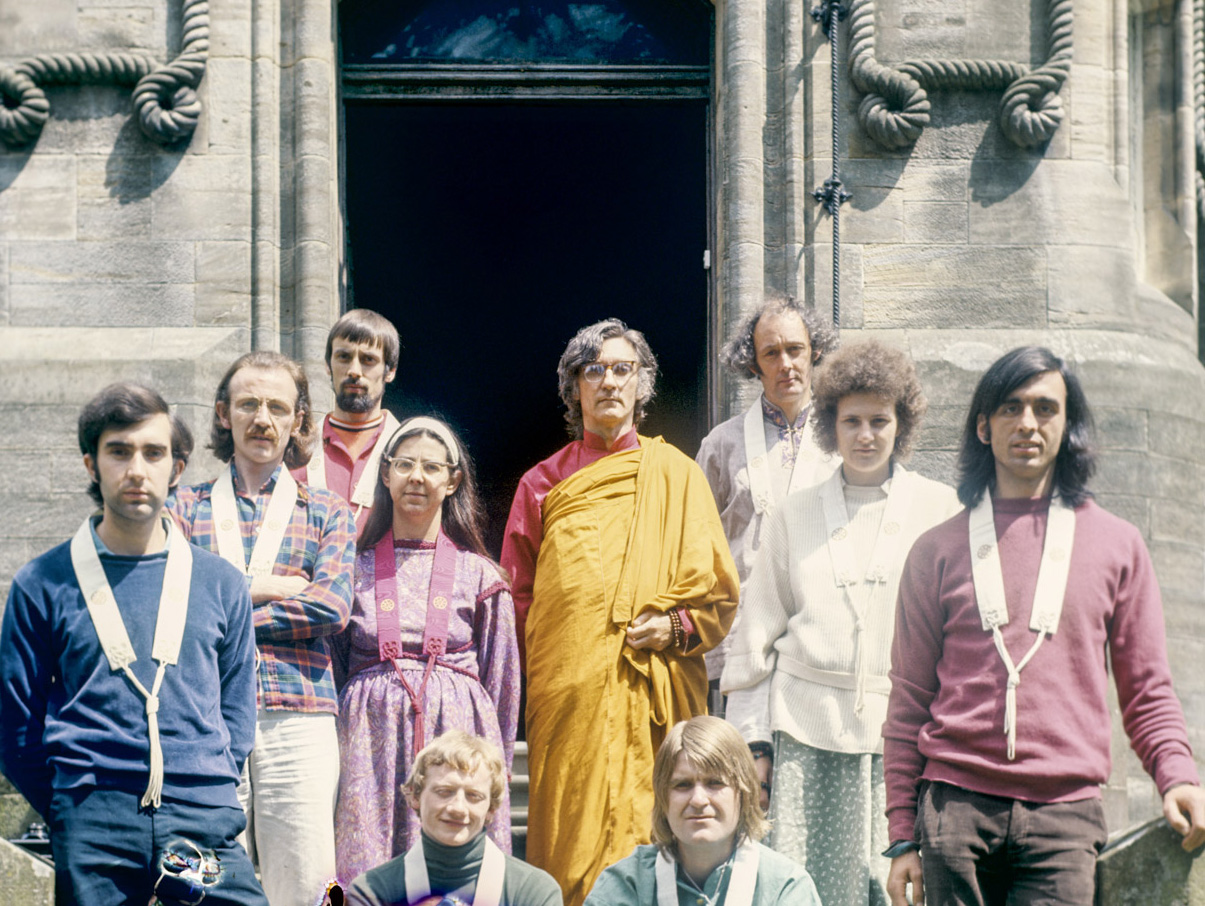
‘संघरक्षित अपने बाल लंबे रखते थे और अपने चिवर के साथ अन्य वस्त्र, या कभी-कभी जींस और स्वेटर पहनते थे. लंदन के बढ़ते हिप्पी जीवन में वे कहीं से भी अलग नहीं लगते थे.
उन्होंने यह समझा कि बौद्ध धर्म को अलग-अलग बौद्ध परंपराओं की कई सांप्रदायिक और संस्कृति-बद्ध विशेषताओं को त्यागते हुए आधुनिक विश्व की बदलती परिस्थितियों के अनुकूल ढलने की आवश्यकता है, लेकिन अपनी मूल शिक्षाओं और मूल्यों से उसने अपना नाता नही तोडना चाहिए.’
– Obituary by Vishvapani
‘FWBO के बारे में मेरा अब तक का गुलाबी दृष्टिकोण तब धूमिल हो गया जब मुझे एहसास हुआ कि सक्रिय और समर्पित संघ सदस्यों की संख्या वास्तव में बहुत कम थी. शायद 1968 और 1969 में दिक्षा हुए लगभग दो दर्जन सदस्यों में से तीन या चार से ज़्यादा सक्रिय नहीं थे. वास्तव में, अधिकांश सदस्य पहले ही इससे दूर हो चुके थे. वे स्वयं को सच्चे मन से बौद्ध मानते थे और संघरक्षित द्वारा व्यक्तिगत रूप से दिक्षित होने से खुश थे इसमें कोई संदेह नहीं था. लेकिन किसी न किसी कारण से वे एक नए बौद्ध आंदोलन के दृष्टिकोण को समझने या बौद्ध धर्म के क्रांतिकारी और कार्यशीलता की मांग करनेवाले स्वरूप को देखने में असमर्थ थे.’
– On the First Rung by Buddhadasa (p.17)
‘इस समय तक कार्टर को एक प्रेमिका, एंड्रिया, मिल चुकी थी... कभी वह मेरे साथ रात बिताता, कभी एंड्रिया के साथ... एक दुर्लभ अवसर पर, जब हम तीनों हैम्पस्टेड हीथ पर साथ-साथ टहलने गए, तो उसने हम तीनों को गले लगाया और कहा कि यह उसके जीवन का सबसे सुखद समय है, क्योंकि उसके साथ दुनिया में सबसे ज़्यादा प्यार करने वाले दो लोग थे...
‘'मैं इस बात से बहुत खुश था कि वह एंड्रिया के साथ सोए, लेकिन एंड्रिया इस बात से खुश नहीं थी कि वह मेरे साथ सोए या मुझे ज़्यादा मिलें. एक दिन कार्टर ने सुझाव दिया कि हम तीनों को एक हफ़्ते की छुट्टी साथ बितानी चाहिए. हालाँकि उसने ऐसा नहीं कहा, लेकिन मुझे पता था कि उसे उम्मीद है कि इससे हम तीनों एक-दूसरे के और करीब आएँगे और एंड्रिया मेरे प्रति ज़्यादा सकारात्मक रवैया अपनाएगी. मुझे शक था, और मैंने कार्टर से कहा कि मुझे नहीं लगता कि उसकी यह योजना कामयाब होगी. मैं देख सकता था कि एंड्रिया मुझसे बेहद नफरत करती है और हम कभी दोस्त नहीं बन पाएँगे. फिर भी, मैंने कार्टर की बात मान ली और प्रयोग में भाग लेने के लिए सहमत हो गया...
‘'आखिरकार मैंने कार्टर से कहा कि छुट्टियाँ साथ में बिताने से कोई फयदा नहीं हो रहा हैं और हमें अलग हो जाना चाहिए, और वह अनिच्छा से मान गया. यह एक भावुक बिछड़न थी और एंड्रिया भी थोड़ी भावुक लग रही थी. वह हफ़्ते के अंत में माइक को कार लौटा देगा, फिर ट्रेन से लंदन जाएगा और मेरे पास वापस आ जाएगा.
'मैंने उसे फिर कभी नहीं देखा.
‘दोस्तों के दोस्तों से मुझे पता चला कि उसने अपना सबसे अच्छा सूट घर भेज दिया था और कुछ ही समय बाद उसने एंड्रिया से शादी कर ली और उसे अपने साथ अमेरिका वापस ले गया. जाने से पहले उसने मुझे एक संदेश भेजा. यह एक पोस्टकार्ड पर अलग-अलग रंगीन पेंसिलों से लिखा था और उसमें लिखा था, 'मुझे पता है कि मैं तुम्हें तकलीफ़ पहुँचा रहा हूँ. मुझे दो साल का समय दो, और मैं वापस आ जाऊँगा.' मैं वाकई बहुत आहत हुआ था. कार्टर सिर्फ़ एक साल से ज़्यादा समय से मेरे जीवन का एक अहम हिस्सा था, और मुझे इस नुकसान से उबरने में काफ़ी समय लगा.
– Living With Carter (CW26, pp.613-16)
‘अगर संघरक्षित ने एक व्यापक, समूह-केंद्रित आंदोलन बनाने का लक्ष्य रखा होता, तो शायद वे कहीं अधिक लोगों को आकर्षित करने में सफल हो सकते थे. लेकिन आरंभिक काल से ही संघरक्षित ने इस बात पर ज़ोर दिया था कि बुद्ध की शिक्षाएँ मानव को एक व्यक्ति के रूप में संबोधित करती है - समूह के सदस्य के रूप में नहीं.
‘व्यक्ति पर यह ज़ोर तब आया जब हममें से कुछ लोगों ने FWBO न्यूज़लेटर के लिए एक उपयुक्त शीर्षक पर सहमति बनाने की कोशिश की. संघरक्षित का सुझाव था 'केंचुआ' (दि अर्थवाॅर्म) , क्योंकि केंचुआ एक प्रभावशाली और लाभकारी उपस्थिति बनाए रखते हुए अदृश्य रूप से अपना काम करता है. संघरक्षित के कई सुझावों की तरह, इसे भी स्वीकृति नहीं मिली. संघरक्षित का एक और विचार जो लोकप्रिय नहीं हो सका, वह था मुफ़्त वितरण के लिए अनमोल 'धार्मिक ग्रंथ' छापना, जिनमें बौद्ध धर्म के मूल सिद्धांतों का उल्लेख हो. उनके कथित अधिकार की तो बात ही दूर ही थी!’
– On the First Rung by Buddhadasa (pp.17-18)

‘इंग्लैंड से मेरी अनुपस्थिति के दौरान नियमित ध्यान कक्षाओं के संचालन की ज़िम्मेदारी संघ के कुछ अधिक सक्रिय और अनुभवी सदस्यों पर आ गई थी. लौटने पर मुझे यह देखकर खुशी हुई कि मेरे अनुपस्थित रहने के दौरान इन कक्षाओं में उपस्थिति में कोई कमी नहीं आई थी, बल्कि बढत हुई थी, और अब प्रत्येक कक्षा में कुछ ऐसे चेहरे थे जो कम से कम मेरे लिए बिल्कुल नए थे. मैं इस बात से प्रसन्न था, उत्साहित भी था, क्योंकि येल का निमंत्रण स्वीकार करने का एक मुख्य कारण यह था कि इससे मुझे यह जानने का अवसर मिलेगा कि लंदन का वह आंदोलन, जिसके लिए मैंने अपने जीवन के तीन वर्ष समर्पित किए थे, तीन महीने तक अपने पैरों पर खड़ा रह सकता है या नहीं. अब जब मुझे विश्वास हो गया था कि यह न केवल खड़ा हो सकता है, बल्कि चल भी सकता है, तो मैं नए उत्साह के साथ ध्यान कक्षाओं, संघ की बैठकों, सार्वजनिक व्याख्यानों, विश्वस्त बैठकों, संगोष्ठियों और एकांतवासों की अपनी नियमित दिनचर्या में लौट आया.’”
– 1970: A Retrospect (CW23, p.462)
‘‘1970 के अंत में सकुरा का करार समाप्त हो गया. FWBO को नया परिसर ढूँढ़ना था, लेकिन उन्हें समय पर कोई उपयुक्त स्थान नहीं मिला. इसके बाद हर हफ़्ते अलग-अलग जगहों पर कक्षाएं आयोजित करने का दौर शुरू हुआ. स्थायी आवास के बिना समूह को एकजुट रखना मुश्किल हो गया, और लोग दूर होने लगे.
इसके बाद 15 महीने तक अनिश्चितता का दौर चला, जब कई लोग लंदन की सड़कों पर अपनी क्षमता के अनुसार संपत्ति की तलाश में भटकते रहे. आखिरकार, संघरक्षित ने लंदन के सभी नगर निकायों को मदद के लिए पत्र लिखे. दो हफ़्ते बाद, जनवरी 1972 में, कैमडेन काउंसिल से एक पत्र आया जिसमें एक तत्काल बैठक का अनुरोध किया गया. संघरक्षित ह्यूग इवांस (जिन्हें बाद में बौद्ध नाम बुद्धदास से दीक्षा दी गई) के साथ हाईगेट के बालमोर स्ट्रीट में एक छोटी, खाली पडी फ़ैक्टरी इमारत देखने गए. ‘क्या आप यह कर सकते हैं?’ संघरक्षित ने पूछा. ‘मुझे लगता है,’ ह्यूग का जवाब था. उन्होंने एफडब्ल्यूबीओ के पहले पूर्णकालिक कार्यकर्ता बनने और आर्चवे सेंटर की स्थापना के लिए अपनी नौकरी छोड़ दी.
– TheTriratna Story by Vajragupta (p.10)


1970 के दशक के कुछ क्लासिक व्याख्यान:
नियमित और अनियमित कदमों का मार्ग
ध्यान की एक प्रणाली
व्याख्यान श्रृंखला:
सध्दर्मपुंडरिक सूत्र से दृष्टांत, मिथक और प्रतीक (Parables, Myths and Symbols from the White Lotus Sutra)
निर्वाण के तांत्रिक मार्ग के सृजक प्रतिक (Creative Symbols of the Tantric Path to Enlightenment)
बौद्ध धर्म आज और कल (Buddhism for Today and Tomorrow)
अकल्पनीय मुक्ति (The Inconceivable Emancipation)
जीवन और जगत का परिवर्तन (Transformation of Life and World)
ज़ेन का सार (Essence of Zen)

‘इस पूरे समय, संघरक्षित युवा आंदोलन की देखरेख कर रहे थे. अब वे कम 'प्रयोगात्मक' तरीके से काम कर सकते थे और उनके पास लिखने, चिंतन करने, और शिक्षा व आध्यात्मिक प्रेरणा प्रदान करने के लिए अधिक समय था. दिसंबर 1973 में, उन्होंने एक समूह को इकट्ठा किया और बोधिचर्यावतार पर एक सप्ताह तक चलने वाले सेमिनार का नेतृत्व किया. बोधिचर्यावतार एक उत्कृष्ट महायान ग्रंथ है जो आध्यात्मिक जीवन के परोपकारी आयाम पर ज़ोर देता है. हर दिन वे एक घेरे में बैठते, हाथों में किताबें, चिवर पहने हुए और पैरों में कालीन चप्पल पहने, एक पुरानी रील-टू-रील टेप मशीन कार्यवाही को रिकॉर्ड करती, और संघरक्षित उन्हें पंक्ति दर पंक्ति पाठ के माध्यम से सावधानीपूर्वक मार्गदर्शन करते. तब से लेकर 1990 के बीच, संघरक्षित ने पारंपरिक बौद्ध ग्रंथों या उन पर भाष्यों, या कभी-कभी गैर-बौद्ध ग्रंथों पर 150 सेमिनार आयोजित किए. बाद में स्वयंसेवकों द्वारा रिकॉर्डिंग का लिप्यंतरण किया गया (जो अपने आप में एक बहुत बड़ा प्रेमपूर्ण श्रम था) और अध्ययन के लिए उपलब्ध कराया गया. बाद के वर्षों में, उनमें से कुछ सामग्री को संपादित करके पुस्तकें तैयार की गईं [जैसे, "लिविंग विद काइंडनेस", "द योगीज़ जॉय", आदि]. यह सेमिनार संघरक्षित के लिए न केवल बौद्ध धर्म के बारे में जानकारी प्रदान करने का, बल्कि लोगों को बौद्ध ग्रंथों को पढ़ने, उनकी शिक्षाओं पर चिंतन करने और आलोचनात्मक रूप से सोचने का तरीका सिखाने का भी प्रमुख माध्यम बन गई. वे ग्रंथ से सार तत्वों को बड़ी कुशलता से निकालते, उसकी गहन गहराई को उजागर करते, साथ ही यह भी दर्शाते कि यह व्यावहारिक और रोजमर्रा के जीवन से कैसे संबंधित है.’
– The Triratna Story by Vajragupta (pp.17-18)
‘मुझे पता है कि यह हमारी उन विशेषताओं में से एक है जो बहुत से लोगों को विशेष रूप से आकर्षक लगती हैं. मुझे कई पत्र और आगंतुक मिलते हैं, और लोग अक्सर मुझे बताते हैं कि कैसे वे हमारे आंदोलन के संपर्क में आए, कभी-कभी बौद्ध धर्म के अन्य रूपों का अनुभव करने के बाद. लोग मुझे जो बताते हैं, उसके आधार पर मैं कहूँगा कि दो चीज़ें जो ज़्यादातर लोगों को हमारी ओर आकर्षित करती हैं और जिन्हें वे सबसे ज़्यादा महत्व देते हैं, वे हैं धर्म की हमारी स्पष्ट प्रस्तुति और संघ का अनुभव. लोग कल्याण मित्रता पर इस ज़ोर की इतनी सराहना करते हैं, यह दर्शाता है कि बाहरी दुनिया में अक्सर उस तत्व का अभाव होता है. आपके मित्र हो सकते हैं, या कम से कम परिचित हो सकते हैं, लेकिन हो सकता है कि आपके पास ऐसे लोग न हों जिन्हें आप इतनी अच्छी तरह जानते हों कि आप उनके सामने अपना दिल खोल सकें, और अपनी हर बात, चाहे वह भौतिक हो, व्यावहारिक हो, भावनात्मक हो या आध्यात्मिक, जिसके बारे में पूरी और गहरी बातचीत कर सकें.’
– ‘Forty Years On: The Six Distinctive Emphases of the FWBO’ (CW12, p.669)


‘और इस प्रकार मित्रों का यह घनिष्ठ समूह हैम्पशायर के न्यू फ़ॉरेस्ट के खुले परिदृश्य में चमकीले नीले आकाश के नीचे एकत्रित हुआ, यह सुनने के लिए उत्सुक कि संघरक्षित क्या कहना चाहते हैं. वह उनसे FWBO के लिए अपने विकसित होते दृष्टिकोण के बारे में बात करने के लिए उत्सुक थे, एक नए तरीके से बोलने के लिए उत्सुक थे. वह पश्चिमी बौद्ध संघ को करुणा के बोधिसत्व, अवलोकितेश्वर के एक छोटे से रूप के रूप में देखने लगे थे. भारत-तिब्बती बौद्ध परंपरा में अवलोकितेश्वर को जिस रूप में दर्शाया गया है, उसमें उनकी एक हज़ार भुजाएँ सभी दिशाओं में फैली हुई हैं, जिनमें से प्रत्येक के हाथ में एक अलग उपकरण है जिससे वे संसार के दुखों को दूर करने में सहायता कर सकते हैं. FWBO का आध्यात्मिक समाज वास्तव में संसार में अवलोकितेश्वर का प्रकटीकरण हो सकता है. संघ का प्रत्येक सदस्य उन भुजाओं में से एक की तरह हो सकता है, जो अपना विशिष्ट अवजार थामे हुए, अपनी विशिष्ट दिशा में कार्य कर रहा हो, एक विशाल समग्र का प्रत्येक भाग, प्रत्येक एक आध्यात्मिक शरीर के रूप में जुड़ा हुआ हो. यदि वे इस प्रकार एक साथ कार्य कर सकें, तो समग्रता उसके भागों के योग से कहीं अधिक महान होगी. वे दुनिया में भलाई के लिए एक जबरदस्त ताकत बन सकते हैं.’
– The Triratna Story by Vajragupta (pp.12-13)
‘जहाँ ऊर्जा है, वहाँ ऊर्जा के शोधन की संभावना भी है. असली समस्या तब होती है जब ऊर्जा नहीं होती, यानी जब ऊर्जा अवरुद्ध हो जाती है और किसी भी दिशा या स्तर पर कोई निकास नहीं पाती.’
– Travel Letters (CW24, p.60)

‘जैसा कि आप जानते ही हैं, यह आंदोलन तेज़ी से फैल रहा है, और मेरे समय और ऊर्जा की बढ़ती माँगें की जा रही हैं. इन माँगों का जवाब देने में मुझे बहुत खुशी हो रही है. वास्तव में, जिस प्रकार आप आंदोलन को धन दान कर पाने में अपना सौभाग्य समझते हैं (मुझे कभी-कभी लगता है कि धन ही एकमात्र ऐसी चीज़ है जिसकी हमें कमी है), उसी प्रकार मैं भी अपनी ऊर्जा दान कर पाने में अपना सौभाग्य समझता हूँ. लेकिन यह स्पष्ट प्रतीत होता है कि वर्तमान अस्थायी व्यवस्थाओं के अंतर्गत मैं अपनी क्षमता की सीमा तक पहुँच गया हूँ, और यदि मुझे अब मुझ पर की जा रही अत्यधिक बढ़ती माँगों को पूरा करना है, तो एक छोटा सा देहाती शिविर केंद्र होना आवश्यक है...’
– Letter to Buddhadasa from Sangharakshita, 4th March 1974 (Published in On the First Rung by Buddhadasa, p. 60)


‘मेरी यौन क्रिया मेरे निजी जीवन की एक व्यापक प्रक्रिया का हिस्सा थी. और यह भी कहा जा सकता है वह कि मेरे धर्म जीवन और धर्म के संप्रेषण के मेरे प्रयास का भी हिस्सा थी. यह एक सामान्य खोज का हिस्सा था. मैं यह जानने की कोशिश कर रहा था कि आधुनिक पश्चिम की इन बिल्कुल नई परिस्थितियों में धर्म को कैसे जिया और संप्रेषित किया जा सकता है. मुझे इस बात का एहसास हो गया था कि आधुनिक संस्कृति में जीवन के कुछ ऐसे पहलू हैं जिन पर नए सिरे से ध्यान दिया जा रहा है – जीवन के ऐसे पहलू जिन पर धर्म को पहले कभी ध्यान नहीं देना पड़ा था. मुझे स्वयं यह समझना था कि धर्म जीवन इन पहलुओं से कैसे संबंधित है, क्योंकि धर्मग्रंथों या पारंपरिक बौद्ध धर्म में इसके कोई स्पष्ट और पूर्णरूपसे जुडनेवाले उदाहरण नहीं मिलते थे.’
– Conversations (2009)
कुछ लोग जो संघरक्षित को एक आध्यात्मिक गुरु मानते थे और जो उनके साथ यौन संबंध भी रखते थे, उनके लिए यह भावनात्मक प्रभाव दर्दनाक और लंबे समय तक रहने वाला था.
यह जानना ज़रूरी है कि संघरक्षित के साथ यौन संबंध बनाने वाले सभी लोगों के साथ ऐसा नहीं था और 1970 और 1980 के दशक के बाद से यौन संबंधों के प्रति दृष्टिकोण में काफ़ी बदलाव आया है. पीढ़ीगत अंतर भी उभरे हैं; और इन घटनाओं में शामिल कुछ वरिष्ठ संघ सदस्यों ने हमें बताया कि उन्हें डर है कि अतीत की घटनाओं को गलत तरीके से प्रस्तुत किया जा रहा है क्योंकि आज की बहुत अलग अपेक्षाओं के अनुसार उनका गलत मूल्यांकन किया गया था.
फिर भी, आध्यात्मिक शिक्षक की भूमिका में उन लोगों के प्रति ज़िम्मेदारी शामिल होती है जिन्हें वह पढ़ाता है, और इसमें शिक्षक के आचरण का उसके छात्रों पर भावनात्मक प्रभाव पड़ने की संभावना के बारे में जागरूकता भी शामिल है. यौन संबंध और यौन संबंधों पर आधारित रिश्तों को समझना अक्सर लोगों के लिए जटिल और कठिन होता है, खासकर जब वे युवा होते हैं, और किसी प्रभावशाली व्यक्ति के साथ यौन संबंध इस प्रक्रिया को आसानी से जटिल बना सकता हैं, चाहे वह व्यक्ति उम्र में बड़ा हो या आध्यात्मिक रूप से.
– Adhisthana Kula Report (2020)


‘व्यक्तिगत अनुभव ने मुझे दिखा दिया कि अपने यौन संबंधों और आध्यात्मिक मित्रता को अलग रखना बेहतर है.’
– A Complex Personality: A Note (CW26, p. 639)


‘'मैंने बॉब मुलान द्वारा मेरे बारे में बनाई गई दो वृत्तचित्रों में से पहली (फिल्मांकन क्रम के अनुसार) 'द एनलाइटन्ड इंग्लिशमैन' का पूर्वावलोकन किया था, जिसे दो सप्ताह बाद एंग्लिया टेलीविजन पर दिखाया जाना था. शीर्षक मेरी पसंद का नहीं था. वास्तव में, मैंने बॉब से कहा था कि मुझे यह पसंद नहीं है और उसे इसे बदलने के लिए कहा था, लेकिन इस मामले में भी, जैसा कि कई अन्य मामलों में होता है, बॉब ने अपनी राह पकड़ी. (पिछले छह महीनों में धर्मधर, कुलानंद और मैंने - लोकमित्र की तो बात ही छोड़िए - टीवी कार्यक्रमों के निर्माताओं के काम करने के तरीके के बारे में काफी कुछ सीखा है.) हालाँकि, इस छोटी सी परेशानी के बावजूद, मैं फिल्म से खुश था...'
– Through Buddhist Eyes (CW24, p.319)

अप्रैल 1990 में उन्होंने 'संघ से मेरा रिश्ता' शीर्षक से एक महत्वपूर्ण व्याख्यान दिया था. उसमें उन्होंने बताया कि जिस संघ और आंदोलन की जिम्मेदारियां वे अभी दूसरों को सौंप रहे है, उसका संस्थापक, शिक्षक और मूल उपाध्याय के रूप में हमेशा एक अद्वितीय स्थान पर वे रहेंगे. उपाध्याय ने पहले ही दीक्षाएँ देने की ज़िम्मेदारी लेनी शुरू कर दी थी. उस वक्त संघरक्षित जी ने सभी FWBO केंद्रों के अध्यक्ष के रूप में अपने पद से इस्तीफा दे दिया, और कई वरिष्ठ संघ सदस्यों को उस भूमिका में आने के लिए कहा. अध्यक्षों को केंद्रों के 'आध्यात्मिक मित्र' के रूप में कार्य करना होता है, और यह सुनिश्चित करने में मदद करना होता है कि वे FWBO के दृष्टिकोण और सिद्धांतों के प्रति सच्चे रहें.
– The Triratna Story by Vajragupta (pp.119-20)
‘लंदन लौटने के बाद से, पिछले साढ़े आठ महीनों से कमोबेश लगातार, परमार्थ और मैं लगभग उसी मूल दिनचर्या का पालन कर रहे हैं जिसका पालन हमने वेल्स में किया था. जब हममें से कोई एक बाहर चला जाता तो यह दिनचर्या खंडित हो जाती थी. 5.30 बजे के तुरंत बाद उठकर, हम दो घंटे ध्यान करते थे, आमतौर पर 6 बजे से 8 बजे तक, लेकिन कभी-कभी थोड़ी देर बाद तक भी. ध्यान के बाद नाश्ता होता था, और नाश्ते के बाद विक्टोरिया पार्क में टहलना होता था, मौसम के अनुसार टहलना छोटा या लंबा होता था. ... सुखावती लौटते समय हम कभी-कभी डाकघर जाते थे या थोड़ी खरीदारी करते थे. सुबह का बाकी समय मुख्य रूप से वोंग मौ-लाम के वेई लैंग (हुइनेंग) के सूत्र के अनुवाद के संशोधित संस्करण पर काम करने में व्यतीत होता था. ... कुछ दिनों में हम दोपहर के भोजन के समय तक अपना संपादन कार्य जारी रखते थे, कभी-कभी हम जल्दी ही पढ़ाई खत्म कर लेते थे, ऐसे में परमार्थ सुबह का बाकी समय पढ़ने में बिताते थे. रविवार और सोमवार को छोड़कर, जब हम खुद ही पढ़ाई करते थे, दोपहर का भोजन चेरी ऑर्चर्ड रेस्टोरेंट की मेहरबानी से होता था. दोपहर के भोजन के बाद हम थोड़ी देर बातें करते थे, जिसके बाद परमार्थ अपना ज़्यादा गंभीर पाठ (डिकेंस और हेनरी जेम्स से अलग, कोंज़े और स्नेलग्रोव) करने लगते थे, नोट्स लेते थे, पत्र लिखते (या टेप करते) थे, और प्रणिपात करते थे, जबकि मैं या तो मित्रता या धम्ममेघ के लिए सामग्री सुधारता था या, अक्सर, बस चिंतन करता था. (मैं अपने चिंतन की विषयवस्तु के बारे में बाद में कुछ कहूँगा.) रात का भोजन 6 बजे होता था, और वह सुखावती कम्युनिटी की मेहरबानी से होता था. शाम लगभग दोपहर की तरह ही बीतती थी और 10 बजे तक हम आमतौर पर बिस्तर पर होते थे.’
– Through Buddhist Eyes (CW24, pp.321-2)
“संघरक्षित ने 1993 में नॉरफ़ॉक में हुए संघ सम्मेलन के दौरान पहली बार हम तेरह लोगों को एक साथ बुलाया. हममें से कुछ को अंदाज़ा था कि आगे क्या होने वाला है, लेकिन उन्होंने जो कहा उसकी सरलता ने हमें फिर भी चौंका दिया. वह संघ और आंदोलन की अपनी शेष ज़िम्मेदारियाँ हमें सौंपना चाहते थे. उसके बाद से हमें उपाध्याय काॅलेज का गठन करना था और उनकी सहायता के लिए, अध्यक्षों की परिषद और पश्चिमी बौद्ध संघ के अन्य वरिष्ठ सदस्यों को वहाँ नियुक्त करना था. इसके अलावा उन्होंने हमें बस इतना ही कहा कि ब्रिटेन में किसी केंद्रीय स्थान पर एक घर खरीदकर वहाँ रहें - या कम से कम हममें से जितने लोग रह सकें, वहाँ रहें. इस तरह हमारी ज़िंदगी उलट-पुलट हो गई. धन जुटाने और जगह की तलाश शुरू हुई, और हमने यह तय करने की धीमी और कभी-कभी कष्टदायक प्रक्रिया शुरू की कि हमें क्या करना है.”
– Subhuti’s preface to Issue One of Madhyamavani, the College’s newsletter

“नवगठित कॉलेज [पब्लिक प्रीसेप्टर्स] एक ऐसी संपत्ति चाहता था जहाँ पूरे ब्रिटेन और उसके बाहर से आसानी से पहुँचा जा सके. 1994 में, उपनगरीय बर्मिंघम में एक विशाल विक्टोरियन घर, ब्रैकली डेन, खरीदा गया और उसे मध्यमलोक बना दिया गया.”
– The Triratna Story by Vajragupta (p.120)

1997 की शरद ऋतु में, समस्या बढ़ रही थी. लंदन में एफडब्ल्यूबीओ का संवाद कार्यालय था, जिसे विश्वपाणि चलाते थे; वे मीडिया पूछताछ का काम देखते थे और धर्म लाइफ का संपादन करते थे, यह पत्रिका उन्होंने एक साल पहले गोल्डन ड्रम के उत्तराधिकारी के रूप में शुरू की थी. एक दिन फोन की घंटी बजी और उन्होंने खुद को यूके के प्रमुख ब्रॉडशीट अखबारों में से एक, द गार्जियन की पत्रकार मैडेलीन बंटिंग से बात करते पाया. उन्होंने कहा कि वे एफडब्ल्यूबीओ पर एक लंबा लेख लिखना चाहती थीं, क्योंकि इसने हाल ही में अपना तीसवां जन्मदिन मनाया था, लेकिन विश्वपाणि जानते थे कि उन्होंने एक अन्य बौद्ध आंदोलन पर एक अपमानजनक लेख लिखा है. उनके लेख की यूके के बौद्ध जगत में एकतरफा और सनसनीखेज होने के कारण आलोचना हुई थी. उन्हें संदेह था कि अब एफडब्ल्यूबीओ की बारी है उनमें से एक पूर्व संघ सदस्य था, जिसकी 1970 के दशक में संघरक्षित के साथ घनिष्ठ मित्रता और यौन संबंध थे. 1980 के दशक के उत्तरार्ध में, वह संघरक्षित के विरुद्ध हो गया और कहने लगा कि यह संबंध बलपूर्वक था और FWBO एक पंथ है.’
– The Triratna Story by Vajragupta (pp.121-2)
‘[लेख] में कई बातें गलत थीं और कुछ बातों को संदर्भ से बाहर ले जाया गया था. इसने विशिष्ट कठिनाइयों का पूरे एफडब्ल्यूबीओ के साथ गलत संबंध स्थापित किया गया, और एफडब्ल्यूबीओ की शिक्षाओं का एक विकृत संस्करण प्रस्तुत किया गया, जिनके बारे में कहा गया था कि वह शिक्षाएं उन्हें वैध ठहराती हैं. रिकॉर्ड के लिए, एफडब्ल्यूबीओ में मेरे जानने वाला कोई भी व्यक्ति स्त्री-द्वेषी, परिवार-द्वेषी या समलैंगिकता को बढ़ावा देने वाला नहीं है. दरअसल, हम बौद्ध हैं.’
– Vishvapani in The Guardian, 8 November 1997

Guhyaloka: July 1998
जादुई घाटी में वापसमैं धुएँ से मुक्त हवा में साँस लेता हूँऔर हर जगह व्याप्त सन्नाटे को सुनता हूँ.यातायात की गड़गड़ाहट से दूर,उन्मत्त भीड़ से दूर,मैं अपने मन का विस्तार महसूस करता हूँअनिषिध्द सपनों के साथ.हरी-भरी घाटी में वापसचीड़ के पेड़ अपनी बाहें उठाते हैंमानो हर्षोल्लास से स्वागत करती होसभी विपत्तियों से इस शरणस्थली की ओर; -इस शरणस्थली की ओर - या इस राहत की ओर -विष टपकती जीभ सेऔर अंधकार में उड़ते बाणों सेद्वेष का तीर चढ़ाए धनुष से.सुगंधित घाटी में वापस,चिंता-मुक्त, अकेले,मैं मौन में संवाद करता हूँपत्थर की विशाल आकृतियों के साथ -धूसर, प्राचीन आकृतियाँ जो मुझे बताती हैं,शांति में, 'समय ठीक कर देगा.'इस बीच, शांत रहो, मौन रहो;उपाय का रहस्य है: सहन करो.'हम सर्दियों की ठंड सहते हैं,हम गर्मियों की गर्मी सहते हैं,बादल हमारे कंधों पर टिके रहते हैं,पेड़ हमारे पैरों पर दुबके रहते हैं;और तब भी जब तूफान के देवताउग्र काफिले मेंअंधेरे आकाश में छा जाते हैंहम ज़रा भी निराश नहीं होते.'हाँ, भले ही बिजली चमके,हाँ, भले ही गरज हो,वे हमारी चेतनाओं को हिला नहीं सकते,वे हमारी चित्त को हिला नहीं सकते.पृथ्वी पर जन्मा, कोई भी देवता हमें भयभीत नहीं कर सकता,कोई भी युवा शक्ति पराजित नहीं कर सकती;शाश्वत मौन में लिपटे हुएहम अपने प्राचीन आसनों पर कायम हैं.'गुप्त घाटी में वापस,मैं उनकी मौन आवाज़ सुनता हूँ;मैं उनकी चेतावनी सुनता हूँ;मैं इसे सुनता हूँ, और आनंदित होता हूँ.भले ही 'सांसारिक हवाएँ' मुझ पर आक्रमण करें,भले ही मित्र मेरे उद्देश्य का त्याग कर दें,जादुई घाटी से दूरशब्द होगा: सहन करो.
‘26 अगस्त 2000 को संघरक्षित का पचहत्तरवाँ जन्मदिन था. बर्मिंघम स्थित एस्टन विश्वविद्यालय के ग्रेट हॉल में एक समारोह आयोजित किया गया था. वातावरण में उत्सुकता व्याप्त थी, क्योंकि यह ज्ञात था कि वे उस दिन एक विशेष और महत्वपूर्ण घोषणा करने वाले है. यह अवसर उनके पदभार सौंपने के अंतिम चरण का प्रतीक था. यह उनके लिए एक असाधारण क्षण रहा होगा; बाद में उन्होंने बताया कि पिछले सप्ताह की हर रात, उन्हें अपने बौद्ध गुरुओं के स्पष्ट स्वप्न आए थे. उन्होंने बताया कि अब वे 'संघ के प्रमुख' का कार्यभार सौंप रहे हैं. वे किसी एक व्यक्ति पर बहुत भारी ज़िम्मेदारी नहीं डाल रहे थे, बल्कि सामूहिक रूप से कॉलेज ऑफ पब्लिक प्रीसेप्टर्स को यह ज़िम्मेदारी सौंप रहे थे. हालाँकि, वह कॉलेज के एक अध्यक्ष की नियुक्ति करने वाले थे, जो पाँच वर्ष के कार्यकाल के लिए कार्य करेगा, और कॉलेज के अन्य सदस्यों द्वारा दूसरे कार्यकाल के लिए पुनः निर्वाचित होने की संभावना भी थी. सुभूति कॉलेज के प्रथम अध्यक्ष बनने वाले थे.’
– The Triratna Story by Vajragupta (p.126)
‘अपनी मृत्यु के बाद, वह जब भी हो, WBO और FWBO की निरंतरता, सुदृढ़ता और विस्तार सुनिश्चित करने के लिए यही वह संरचना है जिसकी स्थापना मैंने की है. दो प्रश्नों के उत्तर अभी बाकी हैं. पब्लिक प्रीसेप्टर्स कॉलेज का कार्य क्या होगा, और अब जब मैंने अपनी अंतिम ज़िम्मेदारियाँ उन्हें सौंप दी हैं, तो मैं क्या करूँगा?
इनमें से पहले प्रश्न के संबंध में, संघ में लोगों को स्वीकार करने की अंतिम ज़िम्मेदारी पब्लिक प्रीसेप्टर्स की ही है, और वे पहले से ही उस ज़िम्मेदारी का निर्वहन कर रहे हैं. मैंने उनके कार्य को इससे आगे परिभाषित नहीं करने का निर्णय लिया है, सिवाय इसके कि वे वही करेंगे जो मैं वर्षों से करता आ रहा हूँ. यदि आप चाहें, तो कॉलेज मेरा सामूहिक पुनर्जन्म है, और वे उसी भावना से कार्य करेंगे.पिछले पाँच सालों से ज़्यादातर पब्लिक प्रीसेप्टर्स और प्रेसिडेंट बर्मिंघम में रह रहे हैं, या तो मध्यमलोक में [मेरे साथ] या पार्क हिल कम्युनिटी में [पास में], और बाकी लोग समय-समय पर आते रहे हैं. इस तरह वे एक-दूसरे को पहले से भी बेहतर जान पाए हैं, और उनका मुझसे नियमित संपर्क भी रहा है, इसलिए वे मेरे मन की बात जानते हैं. पब्लिक प्रीसेप्टर्स और प्रेसिडेंट मिलकर काम कर रहे हैं, जिससे मुझे बहुत संतुष्टि मिलती है और यह पूरे आंदोलन के भविष्य के लिए शुभ संकेत है.
तो अब जब मैंने अपनी आखिरी ज़िम्मेदारी सौंप दी है, तो मैं क्या करूँगा? खैर, मैं निश्चित रूप से इस दुनिया से गायब नहीं होऊँगा, कम से कम फिलहाल तो नहीं. मैं बहामास या फ्रांस के दक्षिण में रिटायर नहीं होने वाला. मैं छुट्टी पर भी नहीं जाऊँगा. दरअसल, मैं पिछले कुछ सालों से जो कुछ भी कर रहा हूँ, वही सब करूँगा: संस्मरण लिखना, पेज प्रूफ पढ़ना, सैर पर जाना, पुरानी किताबों की दुकानों पर जाना, पुस्तक विमोचन के लिए केंद्रों में जाना, कविता पाठ वगैरह, ध्यान करना, संगीत सुनना, शायद कुछ और कविताएँ भी लिखना. मैं लोगों से भी मिलूँगा.’
– The Celebration of Sangharakshita's Seventy-fifth Birthday (CW12, p.632)
“वे सत्तर साल की उम्र तक सक्रिय और ऊर्जावान रहे, लेकिन अब वे तेज़ी से बुढ़ापे की ओर बढ़ रहे थे. मैक्युलर डिजनरेशन के कारण उनकी दृष्टि कमज़ोर हो गई, जिसे उन्होंने अद्भुत धैर्य के साथ सहन किया. फिर उन्हें गंभीर अनिद्रा की समस्या होने लगी, और उसके साथ ही अत्यधिक थकान भी, जिससे उन्हें बहुत कष्ट होता था. उनके करीबी शिष्यों के लिए उन्हें इस हालत में देखना बहुत दुखद था, और उन्होंने अपने एक मित्र को बताया कि हालाँकि उन्हें मृत्यु के लिए तैयार महसूस हो रहा था, लेकिन बुढ़ापे के लिए नहीं. कुछ ही महीनों में, वे एक कमज़ोर वृद्ध व्यक्ति बन गए थे. उन्होंने उस वक्त बिनती की थी की उन्हे कीसी भी बीत के लिए परेशान न किया जाए. अपनी अनिद्रा से निपटने के लिए, वे आंदोलन से जुड़ी कोई भी खबर या प्रगति नहीं सुनना चाहते थे; वे बस बिना किसी व्यवधान के रहना चाहते थे. मध्यमलोक में रहनेवाले लोग संघरक्षित की यथासंभव देखभाल करते थे, और सोचते रहते थे कि आंदोलन का क्या किया जाए.”
– The Triratna Story by Vajragupta (pp.131-2)

‘अक्टूबर में मुझे मध्यमलोक में चल रहे एक अध्ययन शिविर से हटना पड़ा, क्योंकि अनिद्रा के कारण मैं बहुत थका हुआ था और आगे नहीं जा पा रहा था. जैसा कि मैंने उस समय पद्मलोक के पद्मडाका को लिखा था, मैं 'अनिद्रा से आधा मरा हुआ' था. इतने वर्षों में जब मैंने व्याख्यान दिए, शिविरों और सेमिनारों का नेतृत्व किया, यह पहली बार था जब मुझे इस तरह लोगों को निराश करने के लिए मजबूर होना पड़ा, और मैं बहुत शर्मिंदा था. लेकिन अनिद्रा समस्या का केवल एक हिस्सा थी. कुछ हफ़्ते बाद हियरफ़ोर्डशायर में विद्यादेवी को लिखते हुए, मैंने बताया, 'इस समय मैं अपनी अनिद्रा से कुछ हद तक राहत महसूस कर रहा हूँ, लेकिन मूल समस्या अभी भी बनी हुई है और निस्संदेह जल्द ही फिर से लौट आएगी.' यह उच्च रक्तचाप, अनिद्रा और दिल की धड़कन का अनियमित होना इन सब का संयोजन है, जो एक-दूसरे को मजबूत करते हैं और उनके बीच एक ऐसा चक्र बनाते हैं, जिससे बाहर निकलना मुश्किल हो जाता है.’ मूल समस्या वास्तव में अभी भी थी और एक सप्ताह बाद मैं उसी मित्र को लिख रहा था कि ‘मैंने अपने स्वास्थ्य के साथ कुछ उतार-चढ़ाव का अनुभव किया है, जिसमें क्रिसमस की पूर्व संध्या पर एक अलार्म भी शामिल है, जो मुझे परामर्श के लिए सेली ओक अस्पताल की प्राथमिक देखभाल इकाई में ले गया, और मुझे यकीन नहीं है कि भविष्य में क्या होगा’. चिंता की बात यह थी कि मेरी नाड़ी की गति अचानक खतरनाक स्तर तक बढ़ गई थी...’
‘इस पूरी अवधि के दौरान, मैं कमोबेश सामान्य रूप से ही चलता रहा, सिवाय इसके कि 2003 की शुरुआत में मैंने सुभूति, सोना, महामति और संघ के बाकी लोगों से कहा कि मैं कोई भी विचलित करने वाली या विवादास्पद बात नहीं सुनना चाहता, जिसके परिणामस्वरूप लगभग एक साल तक मुझे संघ और FWBO के भीतर चल रही उथल-पुथल के बारे में पता ही नहीं चला.’
– A Season in Hell (CW26, pp.456 & 458)

“प्रयोग” शब्द अच्छा नहीं था – “खोज” बेहतर होता, लेकिन वह भी पूरी तरह उपयुक्त नहीं है. मुद्दा यह है कि मेरी यौन क्रिया मेरे निजी जीवन की एक व्यापक प्रक्रिया का हिस्सा थी – और कोई यह भी कह सकता है कि मेरे धर्म जीवन और धर्म के संप्रेषण के मेरे प्रयास का हिस्सा थी. यह एक सामान्य खोज का हिस्सा था. मैं यह जानने की कोशिश कर रहा था कि आधुनिक पश्चिम की इन बिल्कुल नई परिस्थितियों में धर्म को कैसे जिया और संप्रेषित किया जाए.
मुझे इस बात का एहसास हो गया था कि आधुनिक संस्कृति में जीवन के कुछ पहलुओं पर नए सिरे से ध्यान दिया जा रहा था - जीवन के ऐसे पहलू जिन पर धर्म को पहले कभी ध्यान नहीं देना पड़ा था. मुझे स्वयं यह समझना था कि धर्म जीवन का इन पहलुओं से कैसा संबंध है, क्योंकि धर्मग्रंथों या पारंपरिक बौद्ध धर्म में इनके कोई स्पष्ट और व्यवहार्य उदाहरण नहीं मिलते थे. हम एलएसडी लेने के संबंध में इस खोज को पहले ही देख चुके हैं. जीवन के कई क्षेत्रों में, मैंने धर्म के मूल सिद्धांतों पर अडिग रहते हुए, स्वयं को उस दुनिया के प्रति खुला रखा जिसमें मैंने स्वयं को पाया. बेशक, कई गलत शुरुआतें और कई अंधियारी गलीयाँ भी थी, लेकिन अंततः जो सामने आया वह था एफडब्ल्यूबीओ.
– Conversations with Bhante
'और अभी और भी बहुत कुछ सहना बाकी था. 2004 की गर्मियों में, संघरक्षित को दिल का दौरा पड़ा और वे एक हफ़्ते तक अस्पताल में भर्ती रहे. मुझे याद है कि एक दिन मैं मोसली से साइकिल चलाकर उनसे मिलने आया था. मैं उन कई लोगों में से एक था जो अपने मित्र और शिक्षक के पास कुछ देर के लिए बैठने आते थे. शायद हम सब सोच रहे थे कि अब क्या होगा...
'एक ही जीवनकाल में व्यक्ति जन्म, मृत्यु और पुनर्जन्म के महान चक्र को प्रतिबिंबित करने वाले चक्रों को देख सकता है - और कभी-कभी नाटकीय रूप से. समय के साथ संघरक्षित को जीवन का एक नया दौर मिला. नींद लौट आई, और हालाँकि उनकी ऊर्जा अनिद्रा और दिल के दौरे से पहले जितनी नहीं थीं, फिर भी वे अपनी उम्र के हिसाब से एक बार फिर से साधारण अच्छे स्वास्थ्य का आनंद ले रहे थे.'
– Kalyanaprabha’s Introduction to A Moseley Miscellany (CW26, pp.404-5)
'अब जब मैं अपने 84वें वर्ष में हूँ, मुझे संघ की प्रकृति और उससे जुड़े विषयों पर अपने विचार व्यक्त करने का अवसर पाकर खुशी हो रही है. मुझसे पूछे गए प्रश्नों के मेरे उत्तर, वास्तव में, संघ के लिए मेरी अंतिम इच्छा और वसीयतनामा माने जा सकते हैं, और इसलिए मैं संघ के सभी सदस्यों से अनुरोध करता हूँ कि वे न केवल इसकी विषयवस्तु को 'पढ़ें, समझें, सीखें और आंतरिक रूप से आत्मसात करें', बल्कि संघ के सदस्यों के रूप में अपने जीवन में इसे उचित रूप से अभिव्यक्त भी करें.'
– Seven Papers

'मुझे आशा है कि पश्चिमी संघ के सदस्य भी मेरे अनुरोध से उतने ही भाऊक होंगे जितने मैं हुआ था, और वे भारतीय संघ के सदस्यों की अपने नाम बदलने और पूरे संघ के लिए एक नाम रखने की इच्छा को पूरा करने में मेरे साथ शामिल होंगे. पूरे संघ के लिए एक नाम होने से दुनिया को न केवल यह स्पष्ट होगा कि हम सभी बुद्ध, धर्म और संघ की शरण में जाते हैं, बल्कि यह भी कि चाहे पूर्व हो या पश्चिम, उत्तर हो या दक्षिण, हम एक संघ हैं, हमारी एक ही दृष्टि और एक ही हृदय है'
– Message to the Order from Sangharakshita, 1 January 2010

हाल ही में पुणे में 45 से अधिक संघ सदस्यों की एक सभा और कार्यशाला में... हममें से अधिकांश ने दृढ़ता से महसूस किया कि निम्नलिखित कारणों से संघ का नाम बदलना चाहिए :
1. संघ की एकता का अनुभव करने के लिए एक ऐसा नाम होना चाहिए जो पूरे संघ को अभिव्यक्त कर सके.
2. जब हम दो अलग-अलग नामों का प्रयोग करते हैं, तो संघ के पश्चिमी और भारतीय 'पक्षों' को लेकर हमेशा भ्रम की स्थिति बनी रहती है.
3. हालाँकि महाराष्ट्र में 'त्रैलोक्य' शब्द आम तौर पर स्वीकार किया जाता है, लेकिन भारत के अन्य राज्यों के लोगों को इसे बौद्ध नाम के रूप में समझना मुश्किल लगता है.
4. भारत और पश्चिमी देशों के अलावा, अन्य स्थानों, विशेषकर एशियाई देशों को इसे बौद्ध नाम के रूप में समझना मुश्किल लगेगा.
इसलिए हम चाहते हैं कि भंते संघ के लिए नाम तय करने के हमारे अनुरोध पर विचार करें, क्योंकि दुनिया भर के सभी संघ सदस्यों से सहमति प्राप्त करना सबसे कठिन है. भंते जो भी नाम चुनेंगे, उससे हमें खुशी होगी. इसलिए हम पुनः अनुरोध करते हैं कि भंते कृपया इस मामले पर सहानुभूतिपूर्वक और शीघ्र विचार करें.’
– Email from Dh. Amrutdeep to Sangharakshita, 22 November 2009
.jpeg)

‘वहाँ उनका 'पुस्तकालय' भी होगा. 'पुस्तकालय' यह सही शब्द नहीं होगा. दरअसल उचित शब्द के अभाव से यह कहना पड रहा है. क्योंकि उनकी पुस्तकों के अलावा हमारे पास उनके अभिलेखागार, पत्र, उनके व्यक्तिगत इतिहास और आंदोलन के इतिहास से संबंधित दस्तावेज़ और उनके खजाने हैं. यह 'पुस्तकालय', जिसकी वे अपनी व्यक्तिगत निगरानी में रखना चाहते हैं, हमारे संघ के आध्यात्मिक इतिहास का एक वास्तविक खजाना है.
‘इसके बगल में एक धर्म प्रशिक्षण केंद्र है जो स्वाभाविक रूप से, अध्ययन, अन्वेषण और अभ्यास के साथ भंते की शिक्षाओं पर केंद्रित है. यह मुख्य रूप से संघ के लिए होगा...
‘मुझे बहुत खुशी है कि भंते ने (देहाती के बजाय) तात्विक और उदात्त परिदृश्य को निर्दिष्ट किया है. हमें एक ऐसे स्थान की आवश्यकता है जो ऊँचा उठाए, प्रेरणा दे और ध्यान साधना को सहारा दे. एक मिथिक वातावरण जो अपने आप में एक ऐसा स्थान हो जहाँ लोग रहना चाहें और जिसे वे अपना स्थान बना सकें.’
– Mokshapriya's blog about the Sangharakshita Land Project
‘2013 का बाकी समय मेरे लिए मुश्किल भरा रहा. अधिष्ठान अभी भी एक निर्माण स्थल था, जहाँ अगस्त तक, जब अधिष्ठान का आधिकारिक उद्घाटन हुआ, हर दिन शोरगुल वाली भारी मशीनें चलती रहती थीं. मैं अभी भी बहुत बीमार था, और हर महीने मेरी हालत में बहुत कम सुधार हो रहा था. सौभाग्य से, मेरे नए डॉक्टर ने मेरी मिर्टाज़ापाइन की खुराक बहुत कम कर दियी थी, जिससे मुझे कुछ राहत मिली. मुझे अनिद्रा की समस्या बनी रही, और मैं अक्सर थका हुआ महसूस करता था – और थका हुआ दिखता भी था. मुझे रात में पसीना भी आता था, जो अक्सर इतना ज़्यादा होता था कि मुझे रात में अपना पजामा और यहाँ तक कि अपना बिस्तर भी बदलना पड़ता था. इस प्रकार, मेरे नए घर में मेरे पहले महीने न तो बहुत शांतिपूर्ण थे और न ही बहुत खुशहाल.’
– A Reverie-cum-Reminiscence in the Form of a Letter to Paramartha (CW26, p.544)
.jpeg)

.webp)
.jpg)
“बौद्ध धर्म के प्रति मेरे स्वाभाविक लगाव का एक अभिन्न अंग यह है कि मैं उन चीज़ों के बारे में सोचता हूँ जिन्हें विकसित किया जाना चाहिए, जैसे कि उपेक्खा और करुणा. किन चिज़ों को उखाड़ फेंकना चाहिए, जैसे कि लालच और मोह, उसके बारे में नही. इसका मतलब यह नहीं है कि हममें ऐसा कुछ भी नहीं है जिसे उखाड़ फेंकने की ज़रूरत है, बल्कि मेरी स्वाभाविक प्रवृत्ति आध्यात्मिक जीवन के सकारात्मक पहलुओं पर ज़ोर देने की है. इस तरह से ज़ोर देना ज़्यादातर लोग मददगार पाते हैं.”
– A Complex Personality: A Note (CW26, p. 638)
‘मैं अपनी माँ की कुर्सी पर बैठा (इस अवसर के लिए शामियाने में ले जाया गया था) मेरे दाहिनी ओर पारमी और बाईं ओर बुद्धदास थे. इस दौरान, सभी लोग शाक्यमुनि मंत्र का पठन कर रहे थे. पारमी ने कुछ शब्द कहे, जिसके बाद सुभूति ने बहुत ही कुशलता से कल्याणप्रभा का विस्तृत परिचय दिया. जब वे बोल रहे थे, तभी तेज़ बारिश होने लगी, जिससे माइक्रोफ़ोन की मदद के बावजूद उन्हें शोरगुल से ऊपर अपनी आवाज़ उठानी पड़ी...
‘फिर मुझे एक बड़ा जन्मदिन का केक दिया गया और एक हज़ार से भी ज़्यादा संघ सदस्यों की ओर से एक सुंदर ढंग से बंधा हुआ जन्मदिन कार्ड भेंट किया गया, जिन्होंने संपूर्ण कृतियों और अनुवादों के लिए 110,000 पाउंड का योगदान दिया था. यह सभी के लिए ‘हैपि बर्थ डे’ गाने का संकेत था...
‘मेरे बैठने के बाद, एक युवा धर्मचारिणी ने मुझे फूलों की माला पहनाई, जो उसने और संघमणि ने मिलकर बनाई थी. सुवज्र अब मुझे बताते हैं कि जब सुभूति कल्याणप्रभा का परिचय कर रहे थे, तब कई संघ सदस्यों ने शामियाने के बाहर जाकर एनेक्सी के ऊपर एक इंद्रधनुष देखा था!'
– A Reverie-cum-Reminiscence in the Form of a Letter to Paramartha (CW26, pp.459-50)


'त्रिरत्न के संस्थापक होने के नाते, कभी-कभी मुझ पर धर्म की नहीं, बल्कि मेरे अपने व्यक्तित्व की छाप होती है. यह व्यक्तित्व जटिल है और कुछ मामलों में मैंने आंदोलन में अपनी स्थिति के अनुसार या एक सच्चे बौद्ध के रूप में भी अपनी भूमिका के अनुसार कार्य नहीं किया. मैं विशेष रूप से उन समयों के बारे में सोच रहा हूँ जब मैंने अपने साथी बौद्धों को, चाहे वे त्रिरत्न के भीतर हों या बाहर, चोट पहुँचाई, नुकसान पहुँचाया या परेशान किया.
'पिछले हफ़्ते, जब मैं निमोनिया के कारण अस्पताल में था, ये विचार मुझ पर और भी ज़्यादा हावी हो गए. मुझे अच्छी तरह पता था कि निमोनिया मेरी उम्र के व्यक्ति के लिए जानलेवा हो सकता है और मुझे पता था कि मैं मर भी सकता हूँ, हालाँकि मुझे ऐसा नहीं लग रहा था कि मैं मर रहा हूँ, हालाँकि मैं बहुत बीमार था.
‘इसलिए मैं उन सभी मौकों के लिए गहरा खेद व्यक्त करना चाहता हूँ जिनमें मैंने अपने साथी बौद्धों को ठेस पहुँचाई, नुकसान पहुँचाया या परेशान किया, और उनसे क्षमा माँगता हूँ.’
– A Personal Statement


.jpeg)


%20(1).png)


